
WHO WOULD MAKE THE FIRST 20 DONATIONS TO YOUR CAMPAIGN? In conversation with Valeria Quartaroli
Based on your experience, what makes a request for financial support credible?
First of all, it has to be concrete. If you ask people for 10,000 euros to install an electrical system, they immediately understand what their contribution will achieve: they can picture the lights coming on, the rooms being used and the activities beginning. A generic request to 'support our work' is much harder to grasp. Who is asking also matters, as does what they have built over time. Cascina Albaterra is not an isolated organisation: it is part of the Sulle Orme community, together with the association of the same name, which has supported people experiencing severe vulnerability since 2005, and the Multiforme social cooperative, which focuses on pathways into employment. The three organisations share a mission, relationships and a common approach. I believe crowdfunding rarely finances an idea; it finances the next step in something people can already see moving forward. Proportion matters too. The amount you ask for must be consistent with the result you promise. If the two are out of proportion - even because the request is overly modest - people notice. In our case, working through successive targets helped: each milestone had a precise cost and corresponded to a tangible change.
To what extent is crowdfunding about raising money, and to what extent is it a process of building support and a sense of belonging around a cause?
The two cannot be separated, but they do not carry the same weight. An online donation is not a private bank transfer: the donor's name appears, and people almost always tell someone about it. Donating involves putting yourself out there to some degree, and that very act creates a bond with the project. We tried to recognise this participation by giving every contribution the same value. Everyone received a thank-you video featuring the farm animals and an invitation to the closing event, regardless of the amount donated. That said, I am wary of the phrase, 'We didn't raise much, but we built a community.' It is usually not true. If a campaign does not raise funds, it is because that connection was not there or no one activated it. Belonging is not a consolation prize when the money fails to come in; it is the reason the money comes in.
What needs to be in place before an organisation even considers a crowdfunding campaign if it is to have a genuine chance of success?
I see four priorities. First, there must be a real community made up of people the organisation knows and can reach directly. Before launching, you should already have a fairly clear idea of who might make the first twenty donations, because a campaign rarely begins with an anonymous audience. It almost always starts with relationships built over time. Next, you need a concrete objective with a clear, verifiable cost - one that even someone outside the organisation can explain in a few words. If the project is too vague or too complex to describe, people will find it difficult to understand, support and share with others. The third condition concerns internal resources. A thirty-day online campaign requires a much longer period of preparation and a constant presence while the fundraising is under way. It therefore needs dedicated people and time; it cannot be managed solely in whatever gaps remain between other tasks. Finally, you must be willing to put yourself out there. Crowdfunding makes public not only the project and its objectives, but also the campaign's progress - including the possibility that it may not reach its target. Accepting this risk is part of the decision. Asking your community to trust you also means being willing to show yourself transparently.
What does it mean to translate a project into a proposal that people unfamiliar with its language and context can understand and make their own, without sacrificing complexity for the sake of communication?
It means giving up professional jargon without giving up substance and replacing categories with scenes. We chose to portray people through what they do: caring for the animals, working in the vegetable garden or making cheese. We did not want to show people in need of help, but people with skills, responsibilities and a role in the life of the farm. Humour also carried the complexity better than a solemn tone could have done. Comic social media videos and animals thanking donors allowed us to talk about marginalisation without asking for pity. It worked because it was not a device invented for the campaign; it reflected the way the farm experiences and talks about diversity.
How much does the quality of the project matter, and how much depends on the capital of trust an organisation has built over time with its community?
You could say that trust determines the start, while the quality of the project determines how far you go. None of the first supporters read the quotation for the electrical system. They placed their trust in people they had known for years. That trust is not built in thirty days; it accumulates over twenty years of serious work, communicated without embellishment. But the person who takes a campaign beyond its first target is someone else: someone who did not know us and heard about the project from a friend, perhaps in a rough thirty-second explanation. That person will donate only if the project can withstand an imperfect explanation. In this sense, quality is not the same as technical merit; it is the project's ability to pass from person to person without losing its meaning. It is no coincidence that one of the campaign's indicators is the number of new donors and where they came from: a concrete measure of how far the supporter base has expanded. I would add that trust is capital in the literal sense. It grows slowly and can be spent very quickly: asking too often, asking vaguely or failing to explain afterwards how the money was used is enough to erode it.
What can an organisation that has built its sustainability mainly through projects and institutional funding learn from crowdfunding?
The main difference is the audience, and that changes everything. You write a grant application for an evaluator who knows the field, speaks the same professional language and is expected to read the proposal to the end. You write a campaign for someone who owes you nothing and will leave after two lines if they have not understood or felt anything. The kind of feedback also changes. A grant application gives you an outcome months later. A campaign tells you in real time what is working, and you can adjust your approach that same day. The relationship between resources and responsibility changes as well. The funds are not tied to a reporting template, but to a promise made in public: you have greater freedom in how you use them and a much stronger obligation to explain how they were spent. Crowdfunding also makes it clear that the organisation has a supporter base that must be nurtured throughout the year, not contacted only when something is needed. One final point: in terms of financial volume, crowdfunding does not replace grants. It complements them and puts different organisational capabilities to the test.
When would you advise an organisation to choose crowdfunding, and when would you suggest it stop and reconsider?
We would recommend it to an organisation that has a real community, however small, and knows how to reach it directly. It also needs a clearly defined project, a visible result and people who can devote time to preparation, fundraising and relationships with supporters after the campaign has closed. We would advise against it if crowdfunding were intended mainly to cover a deficit or fund ordinary activities in general. The same applies when an organisation expects the platform to find donors for it, or when no one inside the organisation can follow the campaign on a daily basis. Careful thought must also be given to what can be shared publicly. If a project involves people for whom confidentiality is essential, the need to communicate must never take precedence over their protection. Crowdfunding requires a willingness to be visible, but that choice must remain consistent with the organisation's work and values.
Read more
'WE'RE ALL BLACK SHEEP!'. Anatomy of a Campaign
Turning a need into visible milestones
'Completing the farm's facilities' was an accurate objective, but it was too broad to show people immediately what each contribution would make possible. The fundraising target was therefore divided into four successive milestones: the electrical system, the windows and doors, the fitting-out of the multipurpose rooms, and the completion of the dairy. Four tangible steps, each with a defined cost and a clear purpose.
This progression made the change visible. Each milestone reached represented not merely a portion of the total sum, but a result that could now become a reality: spaces that were finally usable, secure and equipped to host the farm's activities. Whenever one milestone was reached, another opened up. The campaign could celebrate what had already been achieved while inviting people to take the next step together. By the end of the campaign, three of the four planned improvements had been funded.
Starting with the community already around you
Crowdfunding is often imagined as an appeal addressed from the outset to a vast, anonymous crowd. In reality, a credible campaign almost always begins closer to home. The first task was to recognise the community already surrounding the farm: people who, in different ways, knew its work, its values and its role in the local area. Before reaching out to new audiences, this community needed the opportunity to feel part of the project and decide whether to become its advocate.
The campaign then expanded gradually, moving from closer relationships to more distant ones. This did not happen through a single message capable of reaching everyone, but through people who chose to support the project and, by doing so, made it credible in the eyes of others. The platform hosted the campaign and made its progress visible. The trust that set it in motion, however, had been built earlier and elsewhere: through relationships, mutual knowledge and the farm's daily work.
Telling a story of ability and dignity, not vulnerability
The title 'We're All Black Sheep!' already contained the campaign's identity and its vision of inclusion. It was not a slogan imposed from outside, but an image born from the place, its activities and the people who inhabit it. A coherent story was built around this image - one that could speak about people without reducing them to their difficulties. Rather than showing them as passive recipients of help, the campaign portrayed what they do, what they learn and what they contribute to the community.
The appeal to supporters was therefore not to step in and act on someone else's behalf, but to help create a place where everyone could find opportunities for work, growth and participation. The tone and rewards followed the same approach: simple, humorous and light, without resorting to a pity-based portrayal of vulnerability. Every element of the communication had to feel true to the farm and respectful of the people involved.
Treating every supporter as part of a relationship
A campaign takes place online, but it does not run by itself. Throughout the thirty days of fundraising, public updates were accompanied by continuous relationship-building: keeping people informed, responding, thanking them and showing each person what their participation meant. This work is largely invisible, but it is crucial. A donation is more than a financial transaction: it is the moment when someone chooses to entrust part of their confidence to a project. Nurturing that trust means seeing supporters not as numbers on a platform counter, but as people who have chosen to enter the organisation's story, even if only for a while.
Nor does the relationship end when the fundraising closes. It continues through the way results are communicated, commitments are honoured and the impact of donations is shared. This may be the campaign's most important lesson. Crowdfunding can finance needs that rarely fit within grant programmes, but its value is not limited to the amount raised. It forces an organisation to clarify its proposal, recognise the community around it and reflect on the quality of its relationships.
That’s why we say the thirty days online are just the visible part. Behind them lie preparation, listening, consistency and care. That’s where a successful campaign begins.
Read more
DON'T CALL IT JUST FUNDRAISING. Crowdfunding puts identity, relationships and trust to the test
This newsletter is about money. Or, more precisely, about how an organisation finds the resources it needs to turn its ideas into reality. But it is also about what comes before the money: trust, relationships built over time, the ability to see yourself in a story and decide to become part of it. For those of us who regularly work on European projects, fundraising almost automatically means grant applications. Crowdfunding seems to belong to a different world: less institutional, more direct and perhaps more uncertain. But is that really the case?
Grants and crowdfunding are not alternatives. They are different tools, requiring partly different skills. A call for proposals asks us to understand a public priority, develop a credible project, and identify partners, activities and results. A crowdfunding campaign, by contrast, requires us to speak directly to people. And to answer a few questions that are simple, at least on the surface: can we explain what we want to do in just a few words? Is our proposal tangible and easy to grasp? Above all, have we built relationships strong enough for someone to place their trust in us and support it? The 'We're All Black Sheep!' campaign, developed by Glocal Factory for Cascina Albaterra, gives us a real-life experience from which to explore these questions.
Cascina Albaterra is a place where farming meets the support and inclusion of people experiencing severe psychosocial vulnerability. Goats, sheep, chickens and donkeys are raised here; vegetables are grown; wine and cheese are produced. Above all, it is a place where people can find a role, test their abilities, take on responsibility and participate in the life of a community. It matters that all this takes place on a farm. Agricultural work has a practical reality that leaves little room for shortcuts: animals need to be cared for, the land follows its own rhythms, milk has to be processed, and daily tasks demand presence and continuity. In this setting, people are not defined solely by their vulnerabilities or portrayed as passive recipients of help. They work, learn and care for something and, in doing so, rediscover their own value.
The campaign title also comes from this place and could not simply have been transplanted elsewhere. Cascina Albaterra raises the Brogna sheep, a breed native to Lessinia. Local shepherds say that when a black lamb is born into a white and grey flock, it is a sign that the flock is genuine. This is the origin of 'We're All Black Sheep!', a title that turns an expression usually associated with exclusion into a statement of uniqueness and belonging. A black sheep is someone who does not fit expectations, someone who carries vulnerabilities but also abilities, aspirations and unexpected potential. That is why the campaign did not portray people as passive recipients of help. It showed them working, caring for the animals, learning, collaborating and taking part in the life of the farm.
The appeal to supporters was therefore not about asking them to make up for someone else's shortcomings. It was an invitation to help create a place where different people could do meaningful work, build independence and give something back to the local area, asking for support without using suffering as the argument. This kind of consistency is what gives a campaign its strength. It is not enough to identify a financial need and post it on a platform. The need must be turned into visible milestones; words and images must be chosen with care; the community from which to begin must be recognised; and the relationship with every supporter must be nurtured. Above all, the campaign needs a story that genuinely belongs to the project and to the people who bring it to life.
From this perspective, crowdfunding reveals a great deal about an organisation before the fundraising even begins. It shows how well the organisation understands its own identity, how clearly it can communicate what it does, and how much care it devotes to people: those who experience the project, those who tell its story and those who choose to support it. Through the story of the campaign and an interview about trust and relationships with donors, this newsletter explores crowdfunding as part of a fundraising strategy that complements grant funding. Funds make projects possible, but care and trust make fundraising possible.
Read more
CHI FAREBBE LE PRIME 20 DONAZIONI ALLA TUA CAMPAGNA? Conversazione con Valeria Quartaroli
Sulla base della tua esperienza, che cosa rende credibile una richiesta di sostegno economico?
Prima di tutto, la concretezza. Se chiedi alle persone 10.000 euro per realizzare un impianto elettrico, chi legge capisce immediatamente a che cosa servirà il loro contributo: possono immaginare le luci accese, gli spazi utilizzabili, le attività che potranno cominciare. Una richiesta generica di “sostegno alle nostre attività” è più difficile da afferrare. Poi conta anche chi chiede e ciò che ha costruito nel tempo. Cascina Albaterra, infatti, non è una realtà isolata, ma fa parte della comunità Sulle Orme insieme all’omonima associazione, attiva dal 2005 nell’accoglienza di persone in situazione di grave fragilità, e alla cooperativa sociale Multiforme, impegnata nell’inserimento lavorativo. Le tre realtà condividono missione, relazioni e percorsi. Io credo che il crowdfunding raramente finanzi un’idea: finanzia il passo successivo di qualcosa che la gente vede già in movimento. E conta la proporzione. La cifra che chiedi deve essere coerente con il risultato promesso. Se c’è sproporzione, anche per eccesso di modestia, qualcuno se ne accorge. Nel nostro caso, la scelta di procedere per obiettivi successivi ha aiutato: ogni traguardo aveva un costo preciso e corrispondeva a un cambiamento concreto.
In che misura il crowdfunding è una raccolta di fondi e in che misura, invece, è un processo di costruzione di consenso e di appartenenza intorno a una causa?
Le due cose non si separano, ma non pesano allo stesso modo. Una donazione online non è un bonifico riservato: il nome compare, e quasi sempre chi dona lo racconta a qualcuno. Chi dona si espone un po’, e proprio esponendosi si lega al progetto. Abbiamo cercato di riconoscere questa partecipazione dando lo stesso valore a ogni contributo. Tutti hanno ricevuto un video di ringraziamento realizzato con gli animali della cascina e l’invito all’evento finale, indipendentemente dalla cifra donata. Detto questo, diffido della frase «non abbiamo raccolto molto, però abbiamo costruito comunità». Di solito non è vera. Se una campagna non raccoglie, è perché quel legame non c’era o nessuno l’ha attivato. L’appartenenza non è il premio di consolazione quando i soldi non arrivano: è il motivo per cui arrivano.
Quali condizioni devono esistere prima ancora di pensare a una campagna di crowdfunding perché questa abbia reali possibilità di funzionare?
Ne vedo prioritariamente quattro. Innanzitutto, deve esserci una comunità reale, composta da persone che l’organizzazione conosce e può raggiungere direttamente. Prima di partire, bisognerebbe già avere un’idea abbastanza precisa di chi potrebbe effettuare le prime venti donazioni, perché una campagna difficilmente nasce da un pubblico indistinto: comincia quasi sempre dalle relazioni costruite nel tempo. Serve poi un obiettivo concreto, con un costo chiaro e documentabile, che possa essere spiegato in poche parole anche da chi non lavora nell’organizzazione. Se il progetto è troppo generico o complesso da raccontare, sarà difficile per le persone comprenderlo, sostenerlo e parlarne ad altri. La terza condizione riguarda le risorse interne. Una campagna online di trenta giorni richiede un periodo di preparazione molto più lungo e, durante la raccolta, una presenza costante. Occorrono quindi persone e tempo dedicati: non è un’attività che si possa gestire soltanto nei ritagli lasciati dal resto del lavoro. Infine, bisogna essere disponibili a esporsi. Il crowdfunding rende pubblici non solo il progetto e i suoi obiettivi, ma anche l’andamento della raccolta, compresa la possibilità di non raggiungere la cifra prevista. Accettare questo rischio fa parte della scelta: chiedere fiducia alla propria comunità significa anche mostrarsi con trasparenza.
Che cosa significa tradurre un progetto in una proposta capace di essere compresa e fatta propria da persone che non ne conoscono il linguaggio e il contesto e senza sacrificare la complessità alla necessità di comunicare?
Rinunciare al lessico professionale senza rinunciare al contenuto, sostituire le categorie con le scene. Abbiamo scelto di raccontare le persone attraverso ciò che fanno: mentre accudiscono gli animali, lavorano nell’orto o preparano i formaggi. Non volevamo mostrare qualcuno da aiutare, ma persone con capacità, responsabilità e un ruolo nella vita della cascina. E l’ironia ha sostenuto la complessità meglio del tono grave. I video social in chiave comica e gli animali che ringraziano i donatori ci hanno permesso di parlare di marginalità senza chiedere compassione. Ha funzionato perché non era una trovata costruita per la campagna, ma rispecchiava il modo in cui la cascina vive e racconta la diversità.
Quanto conta la qualità del progetto e quanto conta, invece, il capitale di fiducia che un’organizzazione ha costruito nel tempo con la propria comunità?
Si potrebbe dire che la fiducia decide la partenza, la qualità del progetto decide fin dove si arriva. Nessuno dei primi sostenitori ha letto il preventivo dell’impianto elettrico. Hanno dato credito a persone che conoscono da anni. Quel credito non si costruisce in trenta giorni: si accumula in vent’anni di lavoro fatto con serietà e raccontato senza abbellimenti. Ma chi porta una campagna oltre il primo obiettivo è un’altra persona: qualcuno che non ci conosceva e a cui il progetto è stato spiegato da un amico, magari in trenta secondi e in modo approssimativo. Quella persona dona solo se il progetto regge anche a una spiegazione imperfetta. In questo senso la qualità non coincide con la bontà tecnica del progetto: coincide con la sua capacità di passare di bocca in bocca senza perdere senso. Non a caso, uno degli indicatori della campagna è il numero dei donatori nuovi e da dove arrivano, ossia la misura concreta di quanto si è allargata la base di sostenitori. Aggiungo che la fiducia è un capitale in senso letterale. Cresce lentamente e si consuma in fretta: basta chiedere troppo spesso, chiedere in modo vago o non raccontare poi come sono stati usati i soldi.
Che cosa può imparare dal crowdfunding un'organizzazione abituata a costruire la propria sostenibilità soprattutto attraverso progetti e finanziamenti istituzionali?
La differenza principale è il destinatario, e da lì cambia tutto. Un bando lo scrivi per un valutatore che conosce il settore, usa il tuo stesso lessico ed è tenuto a leggere la proposta fino in fondo. Una campagna la scrivi per qualcuno che non ti deve niente e che abbandona dopo due righe se non ha capito o se non gli è arrivato nulla. Cambia inoltre il tipo di riscontro. Un bando ti dà un esito mesi dopo. Una campagna ti dice in tempo reale che cosa funziona, e puoi correggere il tiro il giorno stesso. Cambia anche il rapporto tra risorse e responsabilità. I fondi non sono legati a un modello di rendicontazione, ma a una promessa fatta in pubblico: hai più libertà nell’usarli e un obbligo molto più forte di raccontare come li hai spesi. E rende evidente che l’organizzazione ha una base di sostenitori, che va curata tutto l’anno e non chiamata solo quando serve. Un’ultima precisazione: per volumi economici il crowdfunding non sostituisce i bandi. Li affianca e mette alla prova capacità organizzative diverse.
In quali condizioni consigliereste a un’organizzazione di scegliere il crowdfunding e quando, invece, suggerireste di fermarsi?
Lo consiglieremmo a un’organizzazione che abbia una comunità reale, anche piccola, e sappia come raggiungerla direttamente. Servono inoltre un progetto delimitato, un risultato visibile e persone che possano dedicare tempo alla preparazione, alla raccolta e al rapporto con i sostenitori anche dopo la chiusura della campagna. Ci fermeremmo, invece, se il crowdfunding fosse pensato soprattutto per coprire un disavanzo o finanziare genericamente le attività ordinarie. Lo stesso vale quando si confida che sia la piattaforma a trovare i donatori o quando nessuno, all’interno dell’organizzazione, può seguire quotidianamente la campagna. Occorre poi valutare con attenzione che cosa è possibile raccontare. Se il progetto coinvolge persone per le quali la riservatezza è essenziale, la necessità di comunicare pubblicamente non deve mai prevalere sulla loro tutela. Il crowdfunding richiede disponibilità a esporsi, ma questa scelta deve rimanere coerente con il lavoro e con i valori dell’organizzazione.
Read more
“SIAMO TUTTI PECORE NERE!”. Anatomia di una campagna
Trasformare un bisogno in traguardi visibili
“Completare gli spazi della cascina” era un obiettivo corretto, ma troppo ampio per rendere immediatamente comprensibile ciò che ogni contributo avrebbe permesso di realizzare. La raccolta è stata quindi articolata in quattro traguardi successivi: l’impianto elettrico, gli infissi, l’allestimento delle stanze polifunzionali e il completamento del caseificio. Quattro passaggi concreti, ciascuno con un costo definito e una funzione riconoscibile.
Questa progressione ha reso visibile il cambiamento. Ogni obiettivo raggiunto non rappresentava soltanto una parte della somma complessiva, ma un risultato che diventava possibile: spazi finalmente fruibili, protetti e attrezzati per accogliere le attività della cascina. Quando un traguardo veniva raggiunto, se ne apriva uno nuovo. La campagna poteva così raccontare ciò che era già stato costruito e, nello stesso tempo, invitare a compiere insieme il passo successivo. Al termine della raccolta, tre dei quattro interventi previsti erano stati finanziati.
Partire dalla comunità che esiste già
Si tende a immaginare il crowdfunding come un appello rivolto fin dall’inizio a una folla vasta e indistinta. In realtà, una campagna credibile comincia quasi sempre più vicino. Il primo lavoro è stato riconoscere la comunità che già circondava la cascina: persone che, in modi diversi, ne conoscevano le attività, i valori e la presenza sul territorio. Prima di cercare nuovi pubblici, era necessario permettere a questa comunità di sentirsi parte del progetto e di scegliere se farsene portavoce.
La raccolta si è quindi allargata progressivamente, passando dalle relazioni più vicine a quelle più lontane. Non grazie a un unico messaggio capace di raggiungere tutti, ma attraverso persone che hanno deciso di sostenere il progetto e, facendolo, lo hanno reso credibile agli occhi di altre.La piattaforma ha ospitato la campagna e reso visibile il suo andamento. La fiducia che l’ha messa in movimento, invece, era stata costruita prima e altrove: nelle relazioni, nella conoscenza reciproca e nel lavoro quotidiano della cascina.
Raccontare capacità e dignità, non fragilità
Il titolo “Siamo tutti pecore nere!” conteneva già l’identità della campagna e la sua idea di inclusione. Non uno slogan applicato dall’esterno, ma un’immagine nata dal luogo, dalle sue attività e dalle persone che lo abitano. A partire da questa immagine è stato costruito un racconto coerente, capace di parlare delle persone senza ridurle alle loro difficoltà. La campagna non le ha mostrate come destinatarie passive di un aiuto, ma attraverso ciò che fanno, imparano e restituiscono alla comunità.
La richiesta rivolta ai sostenitori non era quindi quella di intervenire al posto di qualcuno, ma di contribuire alla costruzione di uno spazio nel quale ciascuno potesse trovare occasioni di lavoro, crescita e partecipazione. Anche il tono e le ricompense hanno seguito la stessa direzione: semplicità, ironia e leggerezza, senza fare ricorso a una rappresentazione pietistica della fragilità. Ogni elemento della comunicazione doveva appartenere davvero alla cascina e rispettare le persone coinvolte.
Curare ogni sostenitore come parte di una relazione
Una campagna vive online, ma non procede automaticamente. Durante i trenta giorni della raccolta, agli aggiornamenti pubblici si è accompagnato un lavoro continuo di relazione: informare, rispondere, ringraziare e restituire a ciascuno il significato della propria partecipazione. È un lavoro poco visibile, ma decisivo. Una donazione non è soltanto una transazione economica: è il momento in cui una persona sceglie di affidare una parte della propria fiducia a un progetto. Prendersene cura significa non considerare i sostenitori come semplici numeri nel contatore della piattaforma, ma come persone che hanno deciso di entrare, anche solo per un tratto, nella storia dell’organizzazione.
La relazione, inoltre, non si conclude quando termina la raccolta. Continua nel modo in cui vengono comunicati i risultati, mantenuti gli impegni e raccontato ciò che le donazioni hanno reso possibile. È forse questa la lezione più importante della campagna. Il crowdfunding può finanziare ciò che difficilmente trova spazio nei bandi, ma il suo valore non si esaurisce nella cifra raccolta. Costringe un’organizzazione a rendere chiara la propria proposta, riconoscere la comunità che la circonda e interrogarsi sulla qualità delle proprie relazioni.
Per questo diciamo che i trenta giorni online sono soltanto la parte visibile. Dietro ci sono preparazione, ascolto, coerenza e cura. E’ da lì’ che la campagna costruisce il suo successo.
Read more
NON CHIAMATELA SOLO RACCOLTA FONDI. Il crowdfunding mette alla prova identità, relazioni e fiducia
Questa newsletter parla di soldi. O meglio, di come un’organizzazione trova le risorse necessarie per realizzare le proprie idee. Ma parla anche di ciò che viene prima dei soldi: la fiducia, le relazioni costruite nel tempo, la capacità di riconoscersi in una storia e decidere di farne parte. Noi che lavoriamo abitualmente con i progetti europei, quando pensiamo alla raccolta fondi ci riferiamo quasi automaticamente ai bandi. Il crowdfunding sembra appartenere a un altro mondo: meno istituzionale, più diretto, forse anche più incerto. Ma è davvero così?
Bandi e crowdfunding non sono alternativi. Sono strumenti diversi, che chiedono competenze in parte diverse. Un bando ci invita a comprendere una priorità pubblica, costruire un progetto credibile, individuare partner, attività e risultati. Una campagna di crowdfunding ci obbliga invece a rivolgerci direttamente alle persone. E a rispondere ad alcune domande molto semplici, almeno in apparenza: sappiamo spiegare in poche parole che cosa vogliamo fare? La nostra proposta è concreta e riconoscibile? E, soprattutto, abbiamo costruito relazioni abbastanza solide perché qualcuno decida di fidarsi di noi e sostenerla? La campagna “Siamo tutti pecore nere!”, realizzata da Glocal Factory per Cascina Albaterra, ci permette di partire da un’esperienza concreta per esplorare queste domande.
Cascina Albaterra è un luogo nel quale il lavoro agricolo incontra l’accoglienza di persone in condizioni di grave fragilità psicosociale. Qui si allevano capre, pecore, galline e asini, si coltivano ortaggi, si producono vino e formaggi. Ma soprattutto si costruiscono percorsi nei quali ciascuno può trovare un compito, mettere alla prova le proprie capacità, assumersi una responsabilità e partecipare alla vita di una comunità. Non è un dettaglio che tutto questo accada in una cascina. Il lavoro agricolo ha una concretezza che non ammette molte scorciatoie: gli animali devono essere accuditi, la terra segue i propri tempi, il latte deve essere trasformato, le attività quotidiane richiedono presenza e continuità. In questo contesto, le persone non sono definite soltanto dalle loro fragilità e non sono rappresentate come destinatarie passive di un aiuto. Sono persone che lavorano, imparano, si prendono cura di qualcosa e, facendolo, tornano a riconoscere il proprio valore.
Anche il titolo della campagna nasce da questo luogo e non potrebbe essere trasferito indifferentemente altrove. A Cascina Albaterra viene allevata la Pecora Brogna della Lessinia. i malgari raccontano che, quando in un gregge bianco e grigio nasce una pecora nera, significa che il gregge è autentico. Da qui nasce “Siamo tutti pecore nere!”, un titolo che trasforma un’espressione normalmente associata all’esclusione in una dichiarazione di unicità e appartenenza. La pecora nera è chi non coincide con le aspettative, chi porta con sé vulnerabilità ma anche capacità, desideri e possibilità inattese. Per questo, nella campagna, le persone non sono state rappresentate come destinatarie passive di un aiuto. Sono state raccontate mentre lavorano, si prendono cura degli animali, imparano, collaborano e partecipano alla vita della cascina.
La richiesta rivolta ai sostenitori non era quindi quella di colmare una mancanza al posto di qualcuno, ma di contribuire alla costruzione di uno spazio nel quale persone diverse potessero fare cose utili, sviluppare autonomia e restituire valore al territorio, chiedendo sostegno senza usare la sofferenza come argomento. È in questa coerenza che una campagna trova la propria forza. Non basta individuare un bisogno economico e pubblicarlo su una piattaforma. Bisogna trasformarlo in traguardi visibili, scegliere parole e immagini rispettose, riconoscere la comunità da cui partire e curare la relazione con ogni sostenitore. Occorre, soprattutto, trovare un racconto che appartenga davvero al progetto e alle persone che lo abitano.
Il crowdfunding, da questo punto di vista, rivela molto di un’organizzazione prima ancora che la raccolta cominci. Rivela quanto conosce la propria identità, quanto sa rendere comprensibile ciò che fa e quanta attenzione dedica alle persone: a quelle che vivono il progetto, a quelle che lo raccontano e a quelle che scelgono di sostenerlo. In questa newsletter, attraverso il racconto della campagna e un’intervista dedicata alla fiducia e alla relazione con i donatori, esploreremo il crowdfunding come parte di una strategia di fundraising complementare ai bandi. Perché i fondi rendono possibili i progetti, ma sono la cura e la fiducia a rendere possibile la raccolta.
Read more
Listening Is Where Participation Begins.
Democracy is often described as something that asks citizens to participate. Less often do we ask whether democratic institutions are equally prepared to participate themselves: to listen, to adapt and to create spaces where different voices can genuinely influence decisions.
This shift in perspective is perhaps the most important lesson emerging from ParticipACTION. From the outset, the project was designed around a simple assumption: meaningful participation begins long before policy recommendations are written or decisions are made. It begins by creating opportunities for people to share experiences, challenge assumptions and identify the barriers that shape their everyday lives. Rather than inviting young people to validate pre-existing ideas, ParticipACTION sought to involve them in defining the questions themselves.
The diversity among participants – from different Countries (Italy, France, Lithuania and Cyprus) and from different social, cultural and migration backgrounds - was not simply a feature of the project; it was a deliberate choice. Participation becomes more meaningful when different experiences are recognised, especially those of people who are too often excluded from democratic processes. The research makes clear that exclusion rarely has a single cause.
Young people may face different combinations of barriers related to socio-economic background, gender, migration status, language, geography or access to information. For young people with migrant backgrounds, participation is further complicated by limited voting rights, weaker representation and fewer opportunities to engage directly with decision-makers. Young women continue to encounter structural obstacles, including underrepresentation and limited access to leadership roles. Recognising these intersecting realities is essential if participation is to become genuinely inclusive.
The solutions proposed by participants reflect this understanding. They call for stronger civic education throughout the school system, greater attention to media literacy, more accessible communication about European institutions and sustained support for youth-led initiatives. Above all, they ask for opportunities to engage in dialogue that goes beyond one-off consultations and allows young people to contribute to decisions that affect their communities and their future.
These recommendations point towards a broader understanding of participation. Democracy is not strengthened only through institutions that speak more effectively. It is strengthened through institutions that are willing to listen differently. This means recognising young people as partners rather than beneficiaries, valuing lived experience alongside technical expertise, and creating participation processes that continue beyond the lifetime of a single project.
This is also why ParticipACTION places such a strong emphasis on advocacy. Research alone cannot transform democratic participation. The knowledge generated through listening must travel further, informing public debate, shaping policy recommendations and creating opportunities for young people to engage directly with local, national and European decision-makers. In this sense, listening is not the end of participation. It is its starting point.
As European societies become increasingly diverse, participation can no longer be understood as an invitation extended to a few. It must become a democratic practice capable of including many different voices, experiences and perspectives.
Read more
Democracy has a communication problem.
Information alone does not create participation. Young people engage when institutions become understandable, accessible and willing to listen. If participation is changing, democratic institutions face an equally important challenge: how can they reconnect with a generation that often feels distant from formal politics?
The easiest explanation would be to argue that young people simply know too little about democratic institutions or the European Union. The research conducted within ParticipACTION suggests that the reality is, once again, more complex.
Knowledge certainly matters. The Italian National Level Assessment found that many participants had only a limited understanding of European institutions, policies and opportunities for civic engagement. For many, the European Parliament, the European Commission and Erasmus+ were the only familiar points of reference. Awareness of the EU's fundamental values and of the many participation opportunities available at European level was often fragmented or superficial. Yet information alone does not explain why some young people feel connected to democratic institutions while others do not.
Throughout the focus groups, a recurring pattern emerged. Participants who had encountered the European Union through meaningful experiences - whether civic education, mobility programmes, universities or youth organisations - often described a stronger sense of belonging and a greater willingness to engage. Institutions became relevant not because they had been explained in abstract terms, but because they had become part of lived experience. This distinction is important because it shifts the conversation from information to engagement. Participation cannot rely exclusively on communication campaigns or institutional outreach. Democratic literacy develops when people are given opportunities to experience participation directly, to discuss public issues, to question institutions and to understand how decisions are made and how they can influence them.
The opposite is equally true. When institutions remain distant, difficult to navigate or disconnected from everyday realities, information alone rarely generates trust. Across Europe, many young people report feeling that they have little influence over decisions affecting their communities, while a majority feel they have even less influence over decisions taken at European level. Feelings of underrepresentation are particularly strong among young people with migrant backgrounds, women and those facing social or economic disadvantage, for whom democratic participation is often shaped by additional structural barriers.
Language also plays an important role. During the ParticipACTION activities, participants repeatedly highlighted that institutions often communicate in ways that are difficult to relate to. Information about European opportunities is frequently perceived as fragmented or inaccessible, while the channels used to reach young people do not always reflect how they actually consume information or discuss public issues. The challenge, therefore, is not simply to communicate more, but to communicate differently.
This is particularly relevant for young people with migrant backgrounds. For many of them, participation is influenced not only by limited access to information but also by legal restrictions, language barriers, discrimination and the absence of spaces where they feel represented. Creating more inclusive democratic processes therefore requires addressing communication together with representation and equal access to participation.
ParticipACTION was designed around this understanding. Rather than treating young people as passive recipients of information, the project created opportunities for dialogue through research, interactive seminars, national roundtables, advocacy activities and exchanges between young participants and policymakers. In doing so, it embraced a simple but often overlooked principle: democratic participation is not strengthened by telling people that their voices matter. It grows when they are given meaningful opportunities to use them.
The challenge for European democracies, then, is to build relationships based on trust, accessibility and genuine dialogue. Participation begins long before people cast a vote. It begins when they believe someone is prepared to listen.
Read more
Young People Haven't Stopped Participating.
Across Europe, democratic participation presents a striking paradox. Young people care deeply about issues such as climate change, equality, migration, human rights and social justice. They volunteer, organise local initiatives, join campaigns, use digital platforms to raise awareness and mobilise around causes that matter to them. Yet, many feel they have little influence over the decisions that affect their everyday lives.
This contradiction lies at the heart of one of the most pressing challenges facing European democracies.
The figures help explain why. One in every six people in the European Union is between the ages of 15 and 29, making young people one of Europe's largest democratic constituencies. Yet they remain significantly underrepresented in political institutions and are more likely to engage through informal networks than through traditional political channels. Across the EU, research points to what could be described as a participation paradox: while many young people are socially active, traditional forms of political participation—particularly voting—continue to decline. Too often, this phenomenon is interpreted as evidence of political apathy. But reducing participation to electoral turnout tells only part of the story.
ParticipACTION was built around a different question. Instead of asking why young people are disengaged, the project set out to understand how they participate, what prevents them from taking part in democratic life more fully, and how institutions can create more meaningful opportunities for engagement. Bringing together young people from Italy, France, Lithuania and Cyprus alongside policymakers, civil society organisations and researchers, the project adopts a bottom-up approach that starts from lived experience rather than assumptions.
The findings emerging from the Italian National Level Assessment reinforce this perspective.
Rather than revealing a generation that has withdrawn from public life, the research paints a far more nuanced picture. Young people continue to participate, but often outside traditional political structures. Volunteering, community initiatives, advocacy campaigns and digital engagement have become important ways of contributing to society and expressing civic responsibility. Many participants described these experiences as more immediate, collaborative and capable of producing tangible change than conventional political participation.
At the same time, participation coexists with a growing sense of distance from institutions.
Throughout the research, many young people expressed frustration with political systems they perceive as difficult to access, insufficiently representative and disconnected from their realities. For participants with migrant backgrounds, this distance is often amplified by structural barriers, limited opportunities for representation and legal constraints that reduce their ability to influence decisions directly affecting their lives. These experiences do not point to indifference. Rather, they reflect a widespread perception that institutions are often better at speaking to young people than with them.
This distinction matters.
If participation is changing, democratic institutions cannot expect yesterday's models of engagement to work indefinitely. The challenge, therefore, is not simply encouraging young people to participate more. It is recognising where participation already exists and creating the conditions for it to influence decisions, policies and public life.
For democratic institutions, this means moving beyond consultation as a symbolic exercise and creating spaces where young people can genuinely influence decisions. As the ParticipACTION project reminds us, participation becomes meaningful when people feel that their experiences are recognised, their voices are heard and their contributions can shape public life.
Perhaps, then, the real question is no longer why young people participate less. It is whether our democratic institutions are evolving quickly enough to participate with them.
Read more
The problem Isn't Young People - Editorial
Every generation is accused of participating less than the previous one. Today's young people are no exception. Low turnout, distrust in politics and growing distance from institutions are often presented as signs of civic disengagement. But what if we are asking the wrong question?
During the past months, as partners in the EU project ParticipACTION, Glocal Factory and IRC Italia had the opportunity to listen directly to young Italian people from different backgrounds, bringing together research, focus groups, interactive seminars and policy dialogue. Rather than confirming the stereotype of an apathetic generation, the experience revealed something more complex: young people do care about society, but they often struggle to recognise themselves in the institutions that are supposed to represent them.
Participation, therefore, is not simply a matter of motivation. It is also a matter of trust, accessibility, representation and opportunities.
This issue explores these questions, using ParticipACTION not as its subject, but as a lens through which to reflect on one of the key challenges facing European democracies today.
Read more
L'Ascolto è il Punto di Partenza della Partecipazione
La democrazia viene spesso descritta come un sistema che chiede ai cittadini di partecipare. Più raramente ci si domanda se siano le stesse istituzioni democratiche a essere pronte a fare la propria parte: ascoltare, adattarsi e creare spazi nei quali voci diverse possano incidere concretamente sui processi decisionali.
È proprio questo cambio di prospettiva uno degli insegnamenti più significativi emersi dal progetto ParticipACTION. Fin dall'inizio, il progetto si è fondato su un presupposto semplice: una partecipazione autentica nasce molto prima della stesura di raccomandazioni politiche o dell'adozione di una decisione. Comincia creando occasioni in cui le persone possano condividere le proprie esperienze, mettere in discussione convinzioni consolidate e individuare gli ostacoli che condizionano la loro vita quotidiana. Piuttosto che invitare i giovani a confermare idee già formulate, ParticipACTION ha scelto di coinvolgerli nella definizione delle domande da cui partire.
La diversità dei partecipanti – provenienti da Paesi diversi (Italia, Francia, Lituania e Cipro) e con differenti percorsi sociali, culturali e migratori – non è stata un semplice elemento caratterizzante del progetto, ma una scelta precisa. La partecipazione acquista valore quando riconosce e accoglie la pluralità delle esperienze, soprattutto quelle di chi troppo spesso rimane escluso dai processi democratici. La ricerca mostra con chiarezza che l'esclusione non ha quasi mai un'unica causa.
I giovani possono infatti trovarsi ad affrontare una combinazione di ostacoli legati alla condizione socioeconomica, al genere, al background migratorio, alla lingua, al contesto territoriale o all'accesso alle informazioni. Per i giovani con background migratorio, la partecipazione è resa ancora più difficile dalla limitazione del diritto di voto, da una rappresentanza più debole e da minori opportunità di confronto diretto con i decisori politici. Anche le giovani donne continuano a scontrarsi con barriere strutturali, come la sottorappresentazione e il limitato accesso ai ruoli di leadership. Riconoscere l'intreccio di questi fattori è una condizione essenziale per costruire una partecipazione realmente inclusiva.
Le proposte avanzate dai partecipanti riflettono pienamente questa consapevolezza. Chiedono di rafforzare l'educazione civica lungo tutto il percorso scolastico, dedicare maggiore attenzione all'educazione ai media, rendere più chiara e accessibile la comunicazione sulle istituzioni europee e sostenere con continuità le iniziative promosse dai giovani. Soprattutto, chiedono di poter prendere parte a un dialogo stabile, che vada oltre le consultazioni occasionali e consenta loro di contribuire concretamente alle decisioni che riguardano le proprie comunità e il proprio futuro.
Queste raccomandazioni rimandano a una concezione più ampia della partecipazione. La democrazia non si rafforza soltanto grazie a istituzioni che comunicano in modo più efficace. Si rafforza quando le istituzioni imparano ad ascoltare in modo diverso. Ciò significa riconoscere i giovani come partner e non come semplici destinatari delle politiche, attribuire valore all'esperienza vissuta accanto alle competenze tecniche e costruire percorsi partecipativi che continuino anche oltre la durata di un singolo progetto.
È anche per questo che ParticipACTION attribuisce un ruolo centrale all'advocacy. La ricerca, da sola, non è sufficiente a trasformare la partecipazione democratica. Le conoscenze che nascono dall'ascolto devono alimentare il dibattito pubblico, orientare le raccomandazioni politiche e creare occasioni di confronto diretto tra i giovani e i decisori a livello locale, nazionale ed europeo. In questa prospettiva, l'ascolto non rappresenta il punto di arrivo della partecipazione, ma il suo punto di partenza.
In società europee sempre più diverse e plurali, la partecipazione non può più essere concepita come un'opportunità riservata a pochi. Deve diventare una pratica democratica capace di accogliere e valorizzare una molteplicità di voci, esperienze e punti di vista.
Read more
La Democrazia Ha un Problema di Comunicazione
L'informazione, da sola, non basta a generare partecipazione. I giovani si coinvolgono quando le istituzioni sono comprensibili, accessibili e realmente disponibili all'ascolto. Se le forme della partecipazione stanno cambiando, anche le istituzioni democratiche sono chiamate ad affrontare una sfida altrettanto importante: come ricostruire un rapporto con una generazione che spesso percepisce la politica istituzionale come distante?
La spiegazione più semplice sarebbe attribuire questa distanza a una scarsa conoscenza delle istituzioni democratiche o dell'Unione europea da parte dei giovani. La ricerca condotta nell'ambito di ParticipACTION mostra però che la realtà è, ancora una volta, molto più articolata.
La conoscenza è certamente un elemento importante. Il National Level Assessment realizzato in Italia evidenzia come molti partecipanti abbiano una conoscenza limitata delle istituzioni europee, delle politiche dell'Unione e delle opportunità offerte per la partecipazione civica. Per molti, il Parlamento europeo, la Commissione europea ed Erasmus+ rappresentano gli unici punti di riferimento realmente familiari. La consapevolezza dei valori fondanti dell'Unione europea e delle numerose opportunità di partecipazione disponibili a livello europeo risulta spesso frammentaria o superficiale. Eppure, la sola disponibilità di informazioni non spiega perché alcuni giovani si sentano parte delle istituzioni democratiche mentre altri continuino a percepirle come lontane.
Dai focus group è emerso con chiarezza un elemento ricorrente. I partecipanti che avevano avuto l'opportunità di entrare in contatto con l'Unione europea attraverso esperienze significative – come percorsi di educazione civica, programmi di mobilità, esperienze universitarie o attività promosse da organizzazioni giovanili – manifestavano un senso di appartenenza più forte e una maggiore propensione a partecipare. Le istituzioni acquistavano rilevanza non perché fossero state spiegate in modo astratto, ma perché erano entrate a far parte dell'esperienza vissuta.
È una distinzione fondamentale, perché sposta l'attenzione dall'informazione all'esperienza della partecipazione. Promuovere la partecipazione non può limitarsi a campagne di comunicazione o ad attività informative delle istituzioni. La cultura democratica si costruisce quando le persone hanno l'opportunità di sperimentare direttamente la partecipazione, confrontarsi sui temi di interesse pubblico, interrogare le istituzioni e comprendere come vengono assunte le decisioni e in che modo sia possibile influenzarle.
Vale anche il contrario. Quando le istituzioni appaiono distanti, difficili da comprendere o scollegate dalla vita quotidiana delle persone, l'informazione, da sola, difficilmente riesce a generare fiducia. In tutta Europa, molti giovani ritengono di avere scarsa influenza sulle decisioni che riguardano le proprie comunità e, in misura ancora maggiore, su quelle assunte a livello europeo. Questa sensazione di sottorappresentazione è particolarmente diffusa tra i giovani con background migratorio, tra le donne e tra coloro che vivono condizioni di svantaggio sociale o economico, per i quali la partecipazione democratica è spesso ostacolata da ulteriori barriere strutturali.
Anche il linguaggio riveste un ruolo determinante. Nel corso delle attività di ParticipACTION, i partecipanti hanno più volte sottolineato come le istituzioni comunichino spesso con modalità poco vicine al loro modo di vivere e interpretare la realtà. Le informazioni sulle opportunità offerte dall'Unione europea sono frequentemente percepite come frammentarie o difficili da reperire, mentre i canali utilizzati per raggiungere i giovani non sempre corrispondono a quelli attraverso cui essi si informano, si confrontano e discutono di temi di interesse pubblico. La sfida, quindi, non è semplicemente comunicare di più, ma comunicare meglio.
Questo aspetto assume un'importanza ancora maggiore per i giovani con background migratorio. Per molti di loro, infatti, la partecipazione non è limitata soltanto dalla difficoltà di accedere alle informazioni, ma anche da restrizioni giuridiche, barriere linguistiche, discriminazioni e dalla mancanza di spazi nei quali sentirsi realmente rappresentati. Rendere i processi democratici più inclusivi significa quindi intervenire contemporaneamente sulla comunicazione, sulla rappresentanza e sull'effettiva parità di accesso alla partecipazione.
ParticipACTION è stato concepito proprio a partire da questa consapevolezza. Invece di considerare i giovani come semplici destinatari di informazioni, il progetto ha creato occasioni di dialogo attraverso attività di ricerca, seminari interattivi, tavole rotonde nazionali, iniziative di advocacy e momenti di confronto tra giovani e decisori politici. Alla base vi è un principio tanto semplice quanto spesso trascurato: la partecipazione democratica non si rafforza limitandosi a dire alle persone che la loro voce conta. Cresce quando vengono offerte opportunità concrete per farla sentire.
La sfida che attende le democrazie europee è dunque costruire un rapporto fondato sulla fiducia, sull'accessibilità e su un dialogo autentico. La partecipazione non inizia il giorno delle elezioni. Comincia molto prima, nel momento in cui le persone sentono che la loro voce può essere davvero ascoltata.
Read more
I Giovani Non Hanno Smesso di Partecipare.
In tutta Europa, la partecipazione democratica è attraversata da un evidente paradosso. I giovani dimostrano un forte interesse per temi come il cambiamento climatico, l'uguaglianza, le migrazioni, i diritti umani e la giustizia sociale. Fanno volontariato, promuovono iniziative locali, aderiscono a campagne di sensibilizzazione, utilizzano le piattaforme digitali per informare e sensibilizzare l'opinione pubblica e si mobilitano attorno alle cause in cui credono. Eppure, molti hanno la sensazione di incidere ben poco sulle decisioni che influenzano la loro vita quotidiana.
È proprio questa contraddizione a rappresentare una delle sfide più urgenti per le democrazie europee.
I dati aiutano a comprenderne la portata. Un cittadino europeo su sei ha un'età compresa tra i 15 e i 29 anni: i giovani costituiscono quindi una delle componenti più numerose dell'elettorato europeo. Nonostante ciò, continuano a essere fortemente sottorappresentati nelle istituzioni politiche e partecipano più spesso attraverso reti informali che tramite i canali tradizionali della politica. Le ricerche condotte a livello europeo descrivono quello che potremmo definire un vero e proprio paradosso della partecipazione: mentre molti giovani sono attivamente impegnati nella società, le forme tradizionali di partecipazione politica – e in particolare il voto – continuano a registrare un progressivo calo. Troppo spesso questo fenomeno viene interpretato come un segnale di disinteresse verso la politica. In realtà, ridurre la partecipazione alla sola affluenza alle urne restituisce una visione parziale della realtà.
Il progetto ParticipACTION nasce da una domanda diversa. Invece di chiedersi perché i giovani partecipino sempre meno, il progetto ha cercato di capire in che modo partecipano, quali ostacoli impediscono loro di essere pienamente coinvolti nella vita democratica e come le istituzioni possano creare opportunità di partecipazione più efficaci e significative. Riunendo giovani provenienti da Italia, Francia, Lituania e Cipro insieme a decisori politici, organizzazioni della società civile e ricercatori, ParticipACTION adotta un approccio dal basso, che parte dalle esperienze concrete delle persone anziché da presupposti teorici.
I risultati emersi dal National Level Assessment italiano confermano questa prospettiva. Più che delineare una generazione distante dalla vita pubblica, la ricerca restituisce un quadro molto più articolato. I giovani continuano a partecipare, ma spesso al di fuori dei tradizionali canali della politica: volontariato, iniziative di comunità, campagne di advocacy, impegno attraverso gli strumenti digitali. Molti dei partecipanti hanno descritto queste esperienze come più immediate, collaborative e capaci di produrre risultati concreti rispetto alle forme convenzionali di partecipazione politica. Allo stesso tempo, questo impegno convive con un crescente senso di distanza dalle istituzioni.
Nel corso della ricerca, molti giovani hanno espresso frustrazione nei confronti di un sistema politico percepito come poco accessibile, scarsamente rappresentativo e distante dalla loro esperienza quotidiana. Per i giovani con background migratorio questa distanza è spesso ancora più marcata, a causa di barriere strutturali, limitate opportunità di rappresentanza e vincoli giuridici che riducono la loro possibilità di incidere sulle decisioni che riguardano direttamente la loro vita. Tutto questo non è indice di indifferenza. Al contrario, riflette una percezione ampiamente diffusa: le istituzioni sembrano essere più abituate a parlare ai giovani che a dialogare con loro. Ed è una differenza sostanziale.
Se le forme della partecipazione stanno cambiando, le istituzioni democratiche non possono continuare ad affidarsi indefinitamente ai modelli del passato. La sfida, quindi, non consiste semplicemente nell'incoraggiare i giovani a partecipare di più, ma nel riconoscere le forme di partecipazione che già esistono e creare le condizioni affinché possano incidere realmente sulle decisioni, sulle politiche pubbliche e sulla vita democratica.
Per le istituzioni questo significa andare oltre una consultazione puramente formale o simbolica e creare spazi nei quali i giovani possano esercitare un'influenza concreta sui processi decisionali. Come ricorda il progetto ParticipACTION, la partecipazione acquista valore quando le persone sentono che le proprie esperienze vengono riconosciute, la propria voce viene ascoltata e il proprio contributo può davvero incidere sulla vita pubblica.
Forse, allora, la domanda non è più perché i giovani partecipino meno. La vera domanda è se le nostre istituzioni democratiche stiano evolvendo abbastanza rapidamente da essere capaci di partecipare insieme a loro.
Read more
Il Problema Non Sono i Giovani.
Ogni generazione viene descritta come meno partecipe della precedente. I giovani di oggi non fanno eccezione. La bassa affluenza alle urne, la crescente sfiducia nella politica e il progressivo allontanamento dalle istituzioni vengono spesso interpretati come segnali di disimpegno civico.
Ma siamo sicuri di porci la domanda giusta?
Negli ultimi mesi, nell'ambito del progetto europeo ParticipACTION, Glocal Factory e IRC Italia hanno avuto l'opportunità di confrontarsi direttamente con giovani italiani provenienti da contesti diversi, attraverso un percorso che ha intrecciato ricerca, focus group, seminari interattivi e dialogo con i decisori politici. Più che confermare lo stereotipo di una generazione disinteressata, questa esperienza ha restituito un quadro molto più articolato: i giovani hanno a cuore la società in cui vivono, ma spesso faticano a riconoscersi nelle istituzioni che dovrebbero rappresentarli.
La partecipazione, dunque, non dipende soltanto dalla motivazione individuale. È anche una questione di fiducia, accessibilità, rappresentanza e reali opportunità di coinvolgimento.
Questo numero affronta questi temi utilizzando ParticipACTION non come semplice oggetto di analisi, ma come punto di osservazione privilegiato per riflettere su una delle sfide più importanti con cui le democrazie europee sono chiamate a confrontarsi oggi.
Read more
I Refugee Researchers nel progetto IN LOCO. Dalla partecipazione alla costruzione condivisa della conoscenza
L’esperienza di Apollo riflette l’approccio sviluppato nell’ambito del progetto IN LOCO, in cui grande rilevanza è attribuita alle figure dei Refugee Researchers.
I Refugee Researchers sono persone con esperienza diretta di migrazione che contribuiscono attivamente alle attività di ricerca transnazionale, durante tutta la sua durata: partecipano al lavoro sul campo e alla raccolta di dati qualitativi, supportano le interviste, facilitano la comunicazione e contribuiscono all’interpretazione dei risultati, nonché allo sviluppo di output e raccomandazioni. Il loro coinvolgimento segue un percorso strutturato che include fasi di formazione, implementazione e analisi dei dati, con un adeguato riconoscimento del loro contributo.
La capacità dei Refugee Researchers di combinare l’esperienza vissuta della migrazione con competenze di ricerca in sviluppo, insieme alla prossimità linguistica e culturale con i partecipanti, consente una comprensione più profonda dei processi di integrazione, cogliendo sfumature che altrimenti rischierebbero di rimanere invisibili.
Questa evoluzione rappresenta un cambiamento significativo rispetto ai modelli tradizionali di partecipazione, perché orientato verso un approccio più inclusivo nella produzione di conoscenza. IN LOCO, infatti, non considera i migranti solo come beneficiari, ma li riconosce come attori attivi, le cui prospettive possono contribuire a orientare la ricerca e le pratiche. Questo approccio non solo migliora la qualità e la rilevanza dei dati raccolti, ma rafforza anche la fiducia tra ricercatori e partecipanti e favorisce lo sviluppo di raccomandazioni politiche più concrete e radicate nella realtà.
Un momento chiave di questo processo è rappresentato dalla fase di analisi collaborativa dei dati. Durante un workshop in presenza di due giorni, Refugee Researchers e ricercatori accademici hanno lavorato insieme per esaminare e analizzare i dati delle interviste raccolte nei diversi Paesi definendo congiuntamente un quadro analitico comune, attraverso un processo condiviso di codifica applicato a un primo insieme di trascrizioni. Questo lavoro collaborativo garantisce sia coerenza metodologica sia l’integrazione di prospettive diverse, legate ai differenti contesti locali e alle esperienze vissute.
Su questa base condivisa, i Refugee Researchers proseguono poi l’analisi dell’intero dataset, con il supporto dei ricercatori accademici, che assicurano coerenza e qualità tra i diversi territori. I risultati di questo lavoro confluiscono nella redazione di un rapporto di ricerca transnazionale rivolto alla Commissione Europea e alla comunità scientifica, oltre che nello sviluppo di raccomandazioni politiche focalizzate su ambiti chiave quali alloggio, salute, istruzione, occupazione e inclusione nelle aree rurali.
Infine, il progetto estende il proprio impatto oltre la ricerca attraverso la creazione del "New European Welcome Advocacy and Research Think Tank (NEW)", una rete transnazionale che riunisce Refugee Researchers e persone intervistate coinvolte nello studio. Attraverso attività mirate di rafforzamento delle capacità e consulenza strategica, questa iniziativa sostiene lo sviluppo di azioni di advocacy finalizzate alla diffusione delle buone pratiche emerse dalla ricerca, rafforzando ulteriormente il legame tra produzione di conoscenza e impatto sulle politiche.
👉 Scopri di più su IN LOCO: https://in-loco.eu
Read more
Cosa Accade Lungo il Percorso... In dialogo con APOLLO PACH
In questa prospettiva, la storia di Apollo Pach acquista il suo pieno significato. Non come una “storia di successo” nel senso convenzionale, ma come un modo per osservare ciò che accade tra le tappe visibili di un percorso.
Apollo fa parte del team del progetto IN LOCO – di cui Glocal Factory è partner – dove contribuisce come Refugee Researcher. Selezionato per il suo background accademico e per l’esperienza maturata in diversi contesti culturali e geografici, si è laureato presso l’Università di Verona, ricostruendo il proprio percorso accademico dopo essere arrivato attraverso i corridoi umanitari.
Potremmo fermarci al suo curriculum: una narrazione lineare e rassicurante, perfettamente in linea con le aspettative di una società orientata alla performance. Ma non è lì che si trova la vera storia. Ciò che conta è ciò che accade durante. E come accade.
Come prima domanda ti chiediamo di presentarti.
Mi chiamo Apollo Pach, vengo dal Sud Sudan e attualmente sono dottorando all’Università di Verona, dove mi occupo di Economia dello Sviluppo con un focus su povertà e disuguaglianze. Il mio obiettivo è contribuire, in prospettiva, alla definizione di politiche pubbliche fondate su evidenze solide, capaci di incidere in modo concreto sulla riduzione della povertà estrema nel mio Paese.
Che cosa significa per te “appartenenza”?
Per me appartenenza significa sentirsi realmente accolti e riconosciuti come parte di una comunità: un contesto in cui si è rispettati, sostenuti e trattati con dignità e uguaglianza, non come estranei ma come persone la cui presenza conta.
In quale momento hai smesso di sentirti “qualcuno arrivato” e hai ricominciato a sentirti semplicemente te stesso?
Ci sono voluti circa quattro mesi per recuperare fiducia in me stesso e tornare a sentirmi davvero me stesso. Le principali difficoltà erano legate alla lingua e all’isolamento sociale. All’inizio i miei contatti si limitavano a due tutor accademici e mi sentivo spesso solo. Col tempo ho iniziato a legare con alcuni compagni di corso, molti dei quali studenti internazionali, creando una piccola rete di supporto. In seguito, si sono aggiunti anche amici italiani. I primi due mesi sono stati particolarmente difficili, ma il sostegno del coordinatore del progetto UNICORE è stato decisivo per aiutarmi ad adattarmi e andare avanti.
Ti capita di sentirti sospeso tra due luoghi, due aspettative o due versioni di te stesso?
Sì, spesso mi sono trovato a dover gestire aspettative diverse. Da un lato l’adattamento a una nuova lingua e cultura, dall’altro le richieste accademiche della borsa di studio. Conciliavo corsi di lingua, studi, vita sociale, lavoro part-time e il supporto alla mia famiglia nel Paese d’origine. È stato un equilibrio impegnativo, fatto di continui aggiustamenti e priorità da ridefinire, a tratti anche faticoso.
Chi sono state le persone che hanno fatto la differenza nel tuo percorso? E in che modo, anche senza rendersene conto?
Molte persone hanno avuto un ruolo importante. I referenti UNICORE, le professoresse Isolde Quadranti ed Emanuela Gamberoni, sono stati fondamentali nella fase di passaggio, assicurando che tutti i partner rispettassero i propri impegni e garantendomi così un supporto accademico e finanziario costante. Il coordinatore del mio corso, il professor Claudio Zoli, mi ha aiutato a rimanere focalizzato e a concludere gli studi nei tempi previsti. I partner locali, in particolare Caritas, hanno coperto l’assicurazione sanitaria e le spese mediche, permettendomi di affrontare il percorso con maggiore serenità. Infine, i tutor mi hanno supportato nella gestione delle pratiche amministrative e burocratiche, qualcosa che, in un nuovo sistema, può facilmente diventare travolgente. Il loro aiuto ha reso le sfide quotidiane molto più gestibili.
Sei stato coinvolto nel progetto europeo IN LOCO per le tue competenze. Che cosa pensi di aver portato al progetto? E cosa pensi invece il progetto ti abbia restituito?
Credo di aver contribuito con una prospettiva unica, legata alla mia esperienza diretta di rifugiato. Questo mi ha permesso di condurre le interviste con maggiore empatia e costruire relazioni di fiducia, migliorando la qualità dei dati raccolti. Inoltre, le mie competenze tecniche nella raccolta, analisi e diffusione dei dati hanno contribuito alla produzione di risultati solidi, ben strutturati e di valore. In cambio, il progetto ha ampliato la mia rete accademica e professionale a livello europeo, rafforzando la mia capacità di collaborare in team diversificati, scambiare idee e lavorare in modo interdisciplinare.. Ha anche migliorato le mie competenze comunicative e di presentazione, fondamentali sia nella ricerca sia nel dialogo con i decisori politici.
In che modo questo percorso ti ha cambiato? E cosa, invece, è rimasto intatto?
Questo percorso mi ha trasformato sotto molti aspetti. L’ascolto e l’analisi delle esperienze di altri newcomer mi hanno offerto una comprensione più ampia delle sfide che affrontano, andando oltre la mia esperienza personale. Ha rafforzato il mio sguardo sia come ricercatore sia come persona direttamente coinvolta. Ciò che è rimasto invariato è la mia preoccupazione per il divario tra ricerca e politiche pubbliche. Continuo a ritenere con convinzione che i decisori politici debbano fare maggiore affidamento su risultati fondati su dati concreti, piuttosto che su decisioni guidate da percezioni o da logiche di breve periodo.
Se qualcuno leggesse la tua storia solo come un “caso di integrazione riuscita”, cosa non coglierebbe?
Non coglierebbe lo sforzo collettivo che sta dietro a questo percorso. La mia storia non riguarda solo un successo individuale, ma riflette il supporto, il coordinamento e l’impegno di molte persone e istituzioni che lo hanno reso possibile. Senza questa rete di sostegno, il risultato sarebbe stato molto diverso. Riconoscere questo contributo condiviso è fondamentale per comprendere cosa significhi davvero integrazione.
Read more
Le Dimensioni Invisibili dell’Impatto - In dialogo con AIMILIA MARKOUIZOU GKIKA
Nella gestione dei progetti siamo abituati a misurare ciò che è chiaramente dimostrabile: attività completate, traguardi raggiunti, partecipanti coinvolti, obiettivi conseguiti, risultati prodotti. Questi indicatori sono fondamentali perché garantiscono trasparenza, struttura e una chiara dimostrazione dell’uso efficace delle risorse, oltre a essere spesso richiesti per l’approvazione e il finanziamento dei progetti.
Eppure, chiunque abbia lavorato in progetti sociali, educativi, comunitari o di inclusione sa che alcuni dei risultati più significativi si collocano al di là dei sistemi formali di rendicontazione. Emergono gradualmente, spesso in modo silenzioso, nello spazio tra l’implementazione e l’impatto di lungo periodo.
I progetti non producono solo risultati tangibili: generano anche cambiamenti nel modo in cui le persone vedono sé stesse, si relazionano agli altri e partecipano alla società. Queste dimensioni meno visibili costituiscono spesso la vera base di un cambiamento duraturo.
Trasformazione dell’identità
Una delle forme di impatto più profonde si manifesta quando i partecipanti iniziano a ridefinire chi sono: una persona può entrare in un progetto sentendosi esclusa, dipendente, poco qualificata o invisibile. Attraverso la partecipazione, il riconoscimento, l’apprendimento e l’incoraggiamento, può iniziare a percepirsi come capace, di valore e in grado di dare il proprio apporto.
Questo è cruciale, perché l’identità influenza il comportamento. Le persone che si percepiscono competenti sono più propense a cercare lavoro, proseguire gli studi, cogliere opportunità e partecipare attivamente alla vita della propria comunità. I cambiamenti identitari si osservano spesso in una maggiore fiducia in sé, più iniziativa, disponibilità a esporsi e maggiore assunzione di responsabilità rispetto ai propri obiettivi.
Una precisazione: non tutti i partecipanti cercano trasformazioni profonde dell’identità. Alcuni attribuiscono valore semplicemente alla partecipazione e alla connessione. Anche questo ha un impatto significativo.
Ribaltamento dei ruoli
Molti progetti parlano di “beneficiari” o “gruppi target”. Tuttavia, l’impatto reale inizia spesso quando le persone superano una partecipazione passiva e diventano protagoniste attive. Il supporto non è più unidirezionale. I partecipanti diventano co-creatori di valore, portando dignità, responsabilità ed empowerment, insieme a prospettive che i soli professionisti non possono generare.
Segnali di questo passaggio sono, ad esempio, l’iniziativa autonoma, la condivisione di esperienze personali, la guida di attività, il supporto ai nuovi arrivati o il coinvolgimento che prosegue anche dopo la fine formale del progetto.
Una precisazione: perché ciò avvenga, le persone devono essere trattate con rispetto, umanità e aspettative realistiche. In caso contrario, la motivazione può diminuire e può emergere la sensazione di essere “dati per scontati”.
Capitale relazionale
Un altro risultato spesso sottovalutato è la rete di fiducia e relazioni che si costruisce durante il progetto. Il capitale relazionale comprende il senso di appartenenza dei partecipanti, la fiducia tra operatori e comunità, il supporto tra pari e le partnership tra organizzazioni. Queste connessioni diventano spesso l’infrastruttura invisibile dell’impatto nel lungo periodo. I partecipanti possono dimenticare i contenuti di un workshop, ma ricordano chi ha creduto in loro, chi li ha messi in contatto con opportunità, o dove si sono sentiti accolti e valorizzati.
Un solido capitale relazionale aumenta la partecipazione, il coinvolgimento, la collaborazione e la resilienza. Consente inoltre agli effetti positivi di proseguire anche dopo la conclusione dei finanziamenti.
Una precisazione: le relazioni non dovrebbero essere costruite solo per “produrre impatto”. La connessione autentica e l’esperienza condivisa sono spesso il vero collante per lo sviluppo futuro, sia personale che professionale.
Cosa osservare oltre gli output
Accanto agli indicatori tradizionali, i project manager possono prestare attenzione anche a:
Read more
- fiducia in sé e senso di autoefficacia
- iniziativa e leadership
- qualità della partecipazione
- supporto tra pari e collaborazione
- senso di appartenenza
- fiducia nei servizi, nelle istituzioni e nelle persone
- continuità dell’impegno dopo la chiusura del progetto
- partecipazione a progetti futuri
- sviluppo personale e professionale
- riduzione della solitudine
- maggiore resilienza
- capacità di collaborare, gestire i conflitti e affrontare le sfide
- capacità di restare umani.
The Invisible Dimensions of Impact - In conversation with AIMILIA MARKOUIZOU GKIKA
In project management, we are trained to measure what can be clearly demonstrated: deliverables completed, milestones reached, participants engaged, targets achieved, and output produced. These indicators are essential because they provide accountability, structure, and evidence of effective resource use, while they are often required for project approval and funding.
Yet anyone who has worked in social, educational, community, or inclusion projects knows that some of the most meaningful results happen beyond formal reporting frameworks. They emerge gradually, often quietly, in the space between implementation and long-term impact.
Projects do not only produce output; they also create changes in how people see themselves, how they relate to others, and how they participate in society. These less visible dimensions are often the true foundation of sustainable change.
Identity Change
One of the strongest forms of impact occurs when participants begin to redefine who they are: a person may enter a project feeling excluded, dependent, underqualified, or invisible. Through participation, recognition, learning, and encouragement, they may begin to see themselves as capable, valuable, and able to contribute.
This matters because identity influences behavior. People who perceive themselves as competent are more likely to pursue employment, continue education, seek opportunities, and engage actively in their communities. Identity changes can often be observed through increased confidence, stronger initiative, willingness to speak up, and greater ownership of personal goals.
A word of caution: not all participants seek major identity shifts. Some may simply value participation and connection. This too has a meaningful impact.
Role Reversal
Many projects refer to people as beneficiaries or target groups. Yet real impact often begins when individuals move beyond passive participation and become active contributors. Support is no longer one-directional. Participants become partners in value creation, bringing dignity, responsibility, empowerment, along with insights that professionals alone cannot generate.
Signs of this shift include participants taking initiative, sharing personal experiences, leading actions, supporting newcomers, or remaining involved after formal participation ends.
A word of caution: for this to happen, participants must be treated with respect, humanity, and realistic expectations. Otherwise, motivation can decline and people may feel “taken for granted”.
Relational Capital
Another underestimated outcome of projects is the network of trust and relationships created during delivery. Relational capital includes the sense of belonging participants feel, trust built between staff and communities, peer support, and partnerships formed between organizations. These connections often become the hidden infrastructure of long-term impact. Participants may forget workshop content, but they remember who believed in them, who connected them to opportunities, or where they felt welcomed and valued.
Strong relational capital increases retention, engagement, collaboration, and resilience. It also allows positive effects to continue after funding cycles close.
A word of caution: relationships should not be built merely to “produce impact.” Genuine human connection and shared experience often become the real “glue” for future professional and personal development.
What We Measure Beyond Outputs
Alongside traditional indicators, project managers can also pay attention to:
Read more
- confidence and self-efficacy
- initiative and leadership
- quality of participation
- peer support and collaboration
- sense of belonging
- trust in services, institutions and people
- continued engagement after project closure
- continued participation in future projects
- personal and professional development
- reduced loneliness
- increased resilience
- stronger capacity to collaborate, manage conflict, and face challenges
- ability to remain human
Refugee Researchers in the Project IN LOCO. From participation to co-production of knowledge
Apollo’s experience reflects the approach developed within the IN LOCO project, which places strong emphasis on the role of Refugee Researchers.
Refugee Researchers are people with lived experience of migration who actively contribute to transnational research activities throughout their entire process. They participate in fieldwork and qualitative data collection, support interviews, facilitate communication, and contribute to the interpretation of findings, as well as to the development of outputs and recommendations. Their involvement follows a structured pathway that includes training, implementation, and data analysis phases, with appropriate recognition of their contribution.
Refugee Researchers’ ability to combine lived experience of migration with developing research competences, as well as linguistic and cultural proximity to participants, enables a deeper understanding of integration processes, capturing nuances that might otherwise remain overlooked.
This evolution represents a significant shift from traditional models of participation towards a more inclusive approach to knowledge production. Rather than positioning migrants solely as beneficiaries, IN LOCO recognises them as active contributors whose perspectives can shape research and practice. This approach not only enhances the quality and relevance of the data collected, but also strengthens trust between researchers and participants and supports the development of more grounded and realistic policy recommendations.
A key moment in this process is the collaborative data analysis phase. During a two-day in-person workshop, Refugee Researchers and Academic Researchers worked together to review and analyse interview data collected across countries. Through a shared coding process applied to a first set of transcriptions, participants collectively agree on a common analytical framework. This collaborative effort ensures both methodological consistency and the integration of diverse perspectives shaped by different local contexts and lived experiences.
Building on this shared foundation, Refugee Researchers then continue the analysis of the full dataset, supported by Academic Researchers who ensure coherence and quality across territories. The outcomes of this work feed into the production of a transnational research report addressed to the European Commission and the wider scientific community, as well as into the development of policy recommendations focusing on key areas such as housing, health, education, employment, and rural inclusion.
Finally, the project extends its impact beyond research through the creation of the New European Welcome Advocacy and Research Think Tank (NEW), a transnational network bringing together Refugee Researchers and interviewees involved in the study. Through targeted capacity building and strategic counselling, this initiative supports the development of advocacy actions aimed at disseminating the best practices identified during the research, further reinforcing the link between knowledge production and policy impact.
Learn more about IN LOCO: https://in-loco.eu
Read more
What Lies in Between... In conversation with Apollo Pach
Within this perspective, the story of Apollo Pach takes on its full meaning. Not as a conventional “success story,” but to look at what unfolds between the visible stages of a journey.
Apollo is part of the IN LOCO Project team – participated by Glocal Factory - where he contributes as a Refugee Researcher. Selected for his academic background and experience across different cultural and geographical contexts, he graduated from the University of Verona, rebuilding his academic path after arriving through humanitarian corridors.
We could stop at his curriculum: a linear, reassuring narrative, perfectly aligned with the expectations of a performance-driven society. But that is not where the real story lies. What matters is what happens in between. And how it happens.
As a first question, we’d like to ask you to introduce yourself.
My name is Apollo Pach. I come from South Sudan and I am currently a PhD student at the University of Verona, specialising in Development Economics with a focus on poverty and inequality. My long-term goal is to contribute as a policy advocate, working to design and promote evidence-based solutions that can meaningfully reduce extreme poverty in my country.
What does “belonging” mean to you?
To me, belonging is the feeling of being genuinely welcomed and recognised as part of a community where you are respected, supported, and treated with dignity and equality, not as an outsider but as someone whose presence matters.
At what moment did you stop feeling like “someone who arrived” and start feeling simply like yourself again?
It took me about four months to regain my self-confidence and begin feeling like myself again. The main challenges were language barriers and social isolation. In the beginning, my interactions were limited to two academic tutors, and I often felt quite alone. Gradually, I connected with classmates, many of whom were also international students and we built a small support network. Over time, this circle expanded to include Italian friends as well. Those first two months were particularly difficult, but the support from the UNICORE project coordinator played a crucial role in helping me adjust and move forward.
Do you ever feel caught between two places, two expectations, or two versions of yourself?
Yes, I often felt pulled between multiple expectations. On one hand, I had to adapt to a new culture and language; on the other, I needed to meet the academic demands of my scholarship. Balancing language classes, my core studies, social life, and part-time work while also supporting my family back home was demanding. It required constant adjustment and prioritisation, and at times it felt overwhelming.
Who were the people who made a difference along the way? And what did they do, sometimes without even realizing it?
Many people contributed to my journey in meaningful ways. The UNICORE focal persons, Professors Isolde Quadranti and Emanuela Gamberoni, were instrumental in my transition. They ensured that all project partners fulfilled their commitments, which allowed me to access consistent academic and financial support. My course coordinator, Professor Claudio Zoli, provided guidance that helped me stay on track and complete my studies on time. Local partners, particularly Caritas, played a vital role by covering my health insurance and medical needs, which gave me peace of mind. Finally, the tutors were incredibly supportive in navigating administrative and bureaucratic processes, something that can be overwhelming in a new system. Their help made everyday challenges much more manageable.
You were recruited into the EU project IN LOCO for your skills. What do you think you brought to the project? And what do you think the project brought to you?
I believe I brought a unique perspective shaped by my lived experience as a refugee. This allowed me to conduct interviews with a deeper level of empathy and trust, which enriched the quality of the data collected. In addition, my technical skills in data collection, analysis, and dissemination contributed to producing meaningful and well-structured findings. In return, the project expanded my professional and academic network across Europe. It strengthened my ability to collaborate in diverse teams, exchange ideas, and engage in interdisciplinary work. It also improved my communication and presentation skills, which are essential for both research and policy engagement.
How has this journey changed you — and what parts of yourself have remained untouched?
This journey has shaped me in many ways. Conducting interviews and analysing the experiences of newcomers gave me a broader understanding of the challenges they face, beyond my own experience. It deepened my perspective as both a researcher and someone personally connected to these issues. What remains unchanged, however, is my concern about the gap between research and policy. I still strongly feel that policymakers need to rely more on evidence-based findings rather than decisions driven by sentiment or short-term considerations.
If someone reads your story only as a “successful integration example,” what would they be missing?
They would miss the collective effort behind this journey. My story is not just about individual success, it reflects the support, coordination, and commitment of many people and institutions who made it possible. Without that network of support, the outcome would have been very different. Recognising this shared contribution is essential to understanding what real integration looks like.
Read more




The Importance of Bonds in the Workplace
How important is it to create and maintain strong and, above all, healthy relationships in the workplace? You can do the most beautiful job in the world, but if there is no feeling with colleagues, everyday life can turn into a real nightmare.
Nowadays, many companies organize events and team-building moments to strengthen the team spirit within their teams. Let’s admit that we like to see those situations as a strengthening of our large Glocal Factory family. This is not just a workplace, but a space (not necessarily physical) in which to best express ourselves and be able to develop who we are, contributing to the world, and society.
Before being colleagues or collaborators, we are people, each with their rhythms, strengths, weaknesses, and characteristics and it is good to remember this, in our opinion, every day.
A healthy work environment, in addition to allowing better results and easier achievement of team objectives, allows you to protect the most important aspect: personal well-being.
This is where everything comes from.
Even more so in working contexts such as that of Glocal Factory, where everyone works for the community, including and supporting others.
We are all important.
Read more





Redeveloping is better than breaking down and rebuilding
The lands around us are full of history, and a great deal of this history is embodied by the old buildings. The term “history” means not only epic battles to be told, armies, fortresses and monuments. There is a humbler history behind them, that is the simple and genuine history of the common folk, which still lives thanks to the walls of the houses that hosted people in the past.
These simple examples of cultural heritage are too often left to rot by the roadsides and in the middle of our countryside, just because their redevelopment is considered economically inconvenient. In the meantime, those great monsters of iron and steel that we call bulldozers and cranes keep on binging on our green areas. Immense chasms open up and entire fields become new, clean pours of concrete on which new living hives, often of dubious taste, are built.
Restoring and recovering old buildings has a double value and gain: in the first place we do not further disfigure the landscape stealing land from the Earth, and secondly, we keep our tradition alive.
Redeveloping is better than breaking down and rebuilding. The voracity with which thousands of hectares of land disappear under the hunger for new buildings is frightening, especially in places and times in which buildings are not lacking and, indeed, they watch us as they yield under the weight of the owners’ carelessness.
Read more
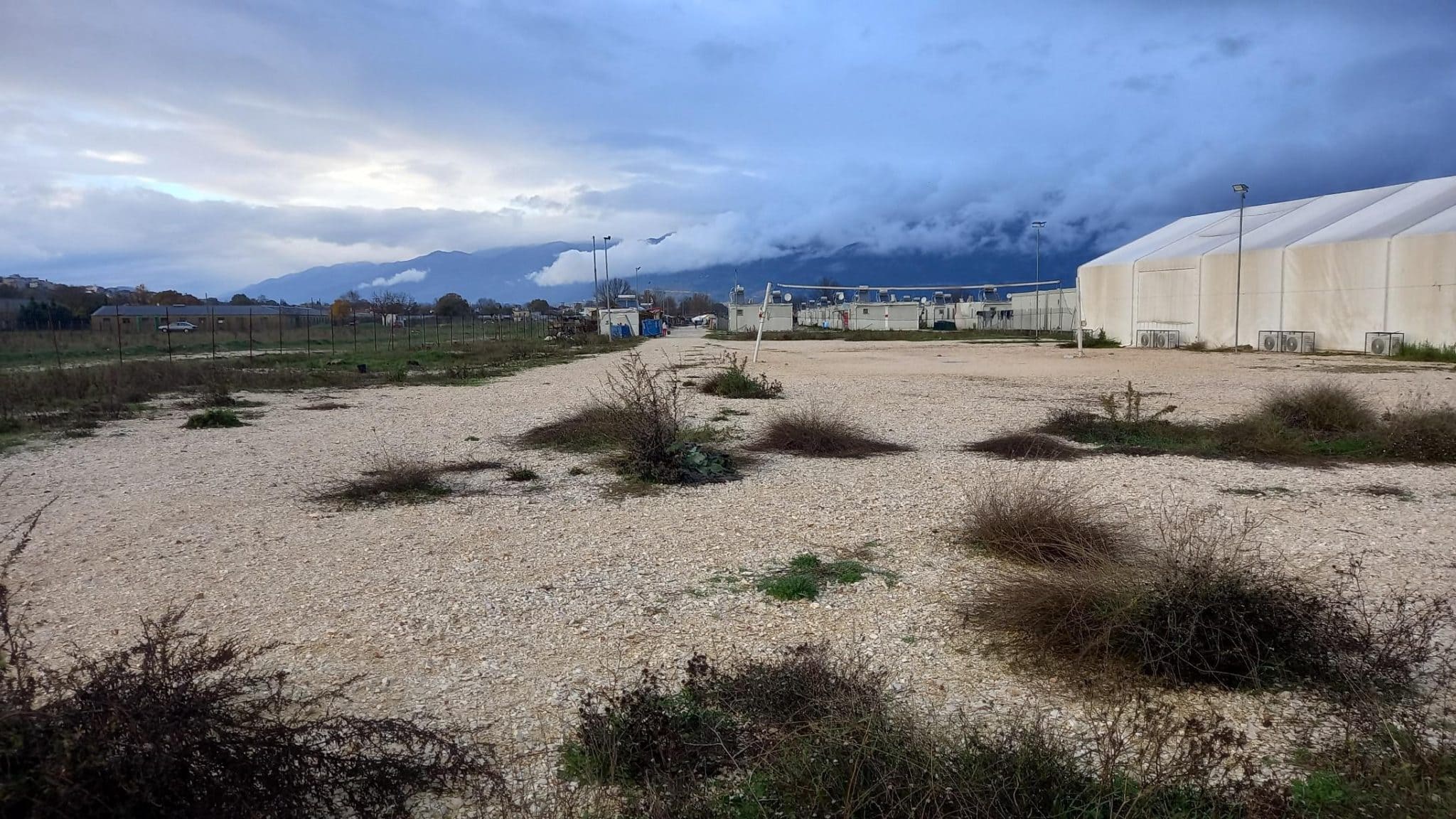

Can we really be inclusive?
We often talk about inclusion when it comes to matters like migrants and/or refugees, but…Are we actually inclusive? Saying and doing are two very different things, and also social issues like inclusion are difficult to be applied. Words play a fundamental role in the spreading of an idea, or a message, but they are not enough: concrete actions are needed to make real changes.
Inclusion is important in every context, the most unimaginable, and even towards people we would never deal with. Including means mutually enriching, it implies letting those people who belong to a completely different social reality discover our everyday life; and in turn, we become guests of the everyday life of other people.
The more we are different from each other, the more potential for mutual enrichment settles down.
Including: adding new elements.
Including does not take anything off anyone. Including is both giving and taking. It is the only way to approach our present society fairly. The rest is just fears dictated by non-knowledge. We need to approach what is new and different to break down the wall of fear. If we only approach matters and people reflecting us, there will not be any personal and social enrichment. It would be a continuous dead-end agreeing with ourselves.
Read more