

I Refugee Researchers nel progetto IN LOCO. Dalla partecipazione alla costruzione condivisa della conoscenza

L’esperienza di Apollo riflette l’approccio sviluppato nell’ambito del progetto IN LOCO, in cui grande rilevanza è attribuita alle figure dei Refugee Researchers. I Refugee Researchers sono persone con esperienza diretta di migrazione che contribuiscono attivamente alle attività di ricerca transnazionale, durante tutta la sua durata: partecipano al lavoro sul campo e alla raccolta di dati qualitativi, supportano le interviste, facilitano la comunicazione e contribuiscono all’interpretazione dei risultati, nonché allo sviluppo di output e raccomandazioni. Il loro coinvolgimento segue un percorso strutturato che include fasi di formazione, implementazione e analisi dei dati, con un adeguato riconoscimento del loro contributo. La capacità dei Refugee Researchers di combinare l’esperienza vissuta della migrazione con competenze di ricerca in sviluppo, insieme alla prossimità linguistica e culturale con i partecipanti, consente una comprensione più profonda dei processi di integrazione, cogliendo sfumature che altrimenti rischierebbero di rimanere invisibili. Questa evoluzione rappresenta un cambiamento significativo rispetto ai modelli tradizionali di partecipazione, perché orientato verso un approccio più inclusivo nella produzione di conoscenza. IN LOCO, infatti, non considera i migranti solo come beneficiari, ma li riconosce come attori attivi, le cui prospettive possono contribuire a orientare la ricerca e le pratiche. Questo approccio non solo migliora la qualità e la rilevanza dei dati raccolti, ma rafforza anche la fiducia tra ricercatori e partecipanti e favorisce lo sviluppo di raccomandazioni politiche più concrete e radicate nella realtà. Un momento chiave di questo processo è rappresentato dalla fase di analisi collaborativa dei dati. Durante un workshop in presenza di due giorni, Refugee Researchers e ricercatori accademici hanno lavorato insieme per esaminare e analizzare i dati delle interviste raccolte nei diversi Paesi definendo congiuntamente un quadro analitico comune, attraverso un processo condiviso di codifica applicato a un primo insieme di trascrizioni. Questo lavoro collaborativo garantisce sia coerenza metodologica sia l’integrazione di prospettive diverse, legate ai differenti contesti locali e alle esperienze vissute. Su questa base condivisa, i Refugee Researchers proseguono poi l’analisi dell’intero dataset, con il supporto dei ricercatori accademici, che assicurano coerenza e qualità tra i diversi territori. I risultati di questo lavoro confluiscono nella redazione di un rapporto di ricerca transnazionale rivolto alla Commissione Europea e alla comunità scientifica, oltre che nello sviluppo di raccomandazioni politiche focalizzate su ambiti chiave quali alloggio, salute, istruzione, occupazione e inclusione nelle aree rurali. Infine, il progetto estende il proprio impatto oltre la ricerca attraverso la creazione del "New European Welcome Advocacy and Research Think Tank (NEW)", una rete transnazionale che riunisce Refugee Researchers e persone intervistate coinvolte nello studio. Attraverso attività mirate di rafforzamento delle capacità e consulenza strategica, questa iniziativa sostiene lo sviluppo di azioni di advocacy finalizzate alla diffusione delle buone pratiche emerse dalla ricerca, rafforzando ulteriormente il legame tra produzione di conoscenza e impatto sulle politiche. 👉 Scopri di più su IN LOCO: https://in-loco.eu
Leggi di più

Cosa Accade Lungo il Percorso... In dialogo con APOLLO PACH

In questa prospettiva, la storia di Apollo Pach acquista il suo pieno significato. Non come una “storia di successo” nel senso convenzionale, ma come un modo per osservare ciò che accade tra le tappe visibili di un percorso. Apollo fa parte del team del progetto IN LOCO – di cui Glocal Factory è partner – dove contribuisce come Refugee Researcher. Selezionato per il suo background accademico e per l’esperienza maturata in diversi contesti culturali e geografici, si è laureato presso l’Università di Verona, ricostruendo il proprio percorso accademico dopo essere arrivato attraverso i corridoi umanitari. Potremmo fermarci al suo curriculum: una narrazione lineare e rassicurante, perfettamente in linea con le aspettative di una società orientata alla performance. Ma non è lì che si trova la vera storia. Ciò che conta è ciò che accade durante. E come accade. Come prima domanda ti chiediamo di presentarti. Mi chiamo Apollo Pach, vengo dal Sud Sudan e attualmente sono dottorando all’Università di Verona, dove mi occupo di Economia dello Sviluppo con un focus su povertà e disuguaglianze. Il mio obiettivo è contribuire, in prospettiva, alla definizione di politiche pubbliche fondate su evidenze solide, capaci di incidere in modo concreto sulla riduzione della povertà estrema nel mio Paese. Che cosa significa per te “appartenenza”? Per me appartenenza significa sentirsi realmente accolti e riconosciuti come parte di una comunità: un contesto in cui si è rispettati, sostenuti e trattati con dignità e uguaglianza, non come estranei ma come persone la cui presenza conta. In quale momento hai smesso di sentirti “qualcuno arrivato” e hai ricominciato a sentirti semplicemente te stesso? Ci sono voluti circa quattro mesi per recuperare fiducia in me stesso e tornare a sentirmi davvero me stesso. Le principali difficoltà erano legate alla lingua e all’isolamento sociale. All’inizio i miei contatti si limitavano a due tutor accademici e mi sentivo spesso solo. Col tempo ho iniziato a legare con alcuni compagni di corso, molti dei quali studenti internazionali, creando una piccola rete di supporto. In seguito, si sono aggiunti anche amici italiani. I primi due mesi sono stati particolarmente difficili, ma il sostegno del coordinatore del progetto UNICORE è stato decisivo per aiutarmi ad adattarmi e andare avanti. Ti capita di sentirti sospeso tra due luoghi, due aspettative o due versioni di te stesso? Sì, spesso mi sono trovato a dover gestire aspettative diverse. Da un lato l’adattamento a una nuova lingua e cultura, dall’altro le richieste accademiche della borsa di studio. Conciliavo corsi di lingua, studi, vita sociale, lavoro part-time e il supporto alla mia famiglia nel Paese d’origine. È stato un equilibrio impegnativo, fatto di continui aggiustamenti e priorità da ridefinire, a tratti anche faticoso. Chi sono state le persone che hanno fatto la differenza nel tuo percorso? E in che modo, anche senza rendersene conto? Molte persone hanno avuto un ruolo importante. I referenti UNICORE, le professoresse Isolde Quadranti ed Emanuela Gamberoni, sono stati fondamentali nella fase di passaggio, assicurando che tutti i partner rispettassero i propri impegni e garantendomi così un supporto accademico e finanziario costante. Il coordinatore del mio corso, il professor Claudio Zoli, mi ha aiutato a rimanere focalizzato e a concludere gli studi nei tempi previsti. I partner locali, in particolare Caritas, hanno coperto l’assicurazione sanitaria e le spese mediche, permettendomi di affrontare il percorso con maggiore serenità. Infine, i tutor mi hanno supportato nella gestione delle pratiche amministrative e burocratiche, qualcosa che, in un nuovo sistema, può facilmente diventare travolgente. Il loro aiuto ha reso le sfide quotidiane molto più gestibili. Sei stato coinvolto nel progetto europeo IN LOCO per le tue competenze. Che cosa pensi di aver portato al progetto? E cosa pensi invece il progetto ti abbia restituito? Credo di aver contribuito con una prospettiva unica, legata alla mia esperienza diretta di rifugiato. Questo mi ha permesso di condurre le interviste con maggiore empatia e costruire relazioni di fiducia, migliorando la qualità dei dati raccolti. Inoltre, le mie competenze tecniche nella raccolta, analisi e diffusione dei dati hanno contribuito alla produzione di risultati solidi, ben strutturati e di valore. In cambio, il progetto ha ampliato la mia rete accademica e professionale a livello europeo, rafforzando la mia capacità di collaborare in team diversificati, scambiare idee e lavorare in modo interdisciplinare.. Ha anche migliorato le mie competenze comunicative e di presentazione, fondamentali sia nella ricerca sia nel dialogo con i decisori politici. In che modo questo percorso ti ha cambiato? E cosa, invece, è rimasto intatto? Questo percorso mi ha trasformato sotto molti aspetti. L’ascolto e l’analisi delle esperienze di altri newcomer mi hanno offerto una comprensione più ampia delle sfide che affrontano, andando oltre la mia esperienza personale. Ha rafforzato il mio sguardo sia come ricercatore sia come persona direttamente coinvolta. Ciò che è rimasto invariato è la mia preoccupazione per il divario tra ricerca e politiche pubbliche. Continuo a ritenere con convinzione che i decisori politici debbano fare maggiore affidamento su risultati fondati su dati concreti, piuttosto che su decisioni guidate da percezioni o da logiche di breve periodo. Se qualcuno leggesse la tua storia solo come un “caso di integrazione riuscita”, cosa non coglierebbe? Non coglierebbe lo sforzo collettivo che sta dietro a questo percorso. La mia storia non riguarda solo un successo individuale, ma riflette il supporto, il coordinamento e l’impegno di molte persone e istituzioni che lo hanno reso possibile. Senza questa rete di sostegno, il risultato sarebbe stato molto diverso. Riconoscere questo contributo condiviso è fondamentale per comprendere cosa significhi davvero integrazione.
Leggi di più

Le Dimensioni Invisibili dell’Impatto - In dialogo con AIMILIA MARKOUIZOU GKIKA

Nella gestione dei progetti siamo abituati a misurare ciò che è chiaramente dimostrabile: attività completate, traguardi raggiunti, partecipanti coinvolti, obiettivi conseguiti, risultati prodotti. Questi indicatori sono fondamentali perché garantiscono trasparenza, struttura e una chiara dimostrazione dell’uso efficace delle risorse, oltre a essere spesso richiesti per l’approvazione e il finanziamento dei progetti. Eppure, chiunque abbia lavorato in progetti sociali, educativi, comunitari o di inclusione sa che alcuni dei risultati più significativi si collocano al di là dei sistemi formali di rendicontazione. Emergono gradualmente, spesso in modo silenzioso, nello spazio tra l’implementazione e l’impatto di lungo periodo. I progetti non producono solo risultati tangibili: generano anche cambiamenti nel modo in cui le persone vedono sé stesse, si relazionano agli altri e partecipano alla società. Queste dimensioni meno visibili costituiscono spesso la vera base di un cambiamento duraturo. Trasformazione dell’identità Una delle forme di impatto più profonde si manifesta quando i partecipanti iniziano a ridefinire chi sono: una persona può entrare in un progetto sentendosi esclusa, dipendente, poco qualificata o invisibile. Attraverso la partecipazione, il riconoscimento, l’apprendimento e l’incoraggiamento, può iniziare a percepirsi come capace, di valore e in grado di dare il proprio apporto. Questo è cruciale, perché l’identità influenza il comportamento. Le persone che si percepiscono competenti sono più propense a cercare lavoro, proseguire gli studi, cogliere opportunità e partecipare attivamente alla vita della propria comunità. I cambiamenti identitari si osservano spesso in una maggiore fiducia in sé, più iniziativa, disponibilità a esporsi e maggiore assunzione di responsabilità rispetto ai propri obiettivi. Una precisazione: non tutti i partecipanti cercano trasformazioni profonde dell’identità. Alcuni attribuiscono valore semplicemente alla partecipazione e alla connessione. Anche questo ha un impatto significativo.  Ribaltamento dei ruoli Molti progetti parlano di “beneficiari” o “gruppi target”. Tuttavia, l’impatto reale inizia spesso quando le persone superano una partecipazione passiva e diventano protagoniste attive. Il supporto non è più unidirezionale. I partecipanti diventano co-creatori di valore, portando dignità, responsabilità ed empowerment, insieme a prospettive che i soli professionisti non possono generare. Segnali di questo passaggio sono, ad esempio, l’iniziativa autonoma, la condivisione di esperienze personali, la guida di attività, il supporto ai nuovi arrivati o il coinvolgimento che prosegue anche dopo la fine formale del progetto. Una precisazione: perché ciò avvenga, le persone devono essere trattate con rispetto, umanità e aspettative realistiche. In caso contrario, la motivazione può diminuire e può emergere la sensazione di essere “dati per scontati”.  Capitale relazionale Un altro risultato spesso sottovalutato è la rete di fiducia e relazioni che si costruisce durante il progetto. Il capitale relazionale comprende il senso di appartenenza dei partecipanti, la fiducia tra operatori e comunità, il supporto tra pari e le partnership tra organizzazioni. Queste connessioni diventano spesso l’infrastruttura invisibile dell’impatto nel lungo periodo. I partecipanti possono dimenticare i contenuti di un workshop, ma ricordano chi ha creduto in loro, chi li ha messi in contatto con opportunità, o dove si sono sentiti accolti e valorizzati. Un solido capitale relazionale aumenta la partecipazione, il coinvolgimento, la collaborazione e la resilienza. Consente inoltre agli effetti positivi di proseguire anche dopo la conclusione dei finanziamenti. Una precisazione: le relazioni non dovrebbero essere costruite solo per “produrre impatto”. La connessione autentica e l’esperienza condivisa sono spesso il vero collante per lo sviluppo futuro, sia personale che professionale.  Cosa osservare oltre gli output Accanto agli indicatori tradizionali, i project manager possono prestare attenzione anche a:
  • fiducia in sé e senso di autoefficacia
  • iniziativa e leadership
  • qualità della partecipazione
  • supporto tra pari e collaborazione
  • senso di appartenenza
  • fiducia nei servizi, nelle istituzioni e nelle persone
  • continuità dell’impegno dopo la chiusura del progetto
  • partecipazione a progetti futuri
  • sviluppo personale e professionale
  • riduzione della solitudine
  • maggiore resilienza
  • capacità di collaborare, gestire i conflitti e affrontare le sfide
  • capacità di restare umani.
In definitiva, il vero impatto si realizza quando le persone sanno ispirare e promuovere il cambiamento, rafforzare la propria resilienza, collaborare efficacemente con gli altri e dare piena espressione alla propria umanità.   Aimilia Markouizou Gkika Psicologa, Psicoterapeuta familiare sistemica (MA), Counsellor certificata per le dipendenze da sostanze www.linkedin.com/in/aimilia-markouizou-gica
Leggi di più

The Invisible Dimensions of Impact - In conversation with AIMILIA MARKOUIZOU GKIKA

In project management, we are trained to measure what can be clearly demonstrated: deliverables completed, milestones reached, participants engaged, targets achieved, and output produced. These indicators are essential because they provide accountability, structure, and evidence of effective resource use, while they are often required for project approval and funding. Yet anyone who has worked in social, educational, community, or inclusion projects knows that some of the most meaningful results happen beyond formal reporting frameworks. They emerge gradually, often quietly, in the space between implementation and long-term impact. Projects do not only produce output; they also create changes in how people see themselves, how they relate to others, and how they participate in society. These less visible dimensions are often the true foundation of sustainable change. Identity Change One of the strongest forms of impact occurs when participants begin to redefine who they are: a person may enter a project feeling excluded, dependent, underqualified, or invisible. Through participation, recognition, learning, and encouragement, they may begin to see themselves as capable, valuable, and able to contribute. This matters because identity influences behavior. People who perceive themselves as competent are more likely to pursue employment, continue education, seek opportunities, and engage actively in their communities. Identity changes can often be observed through increased confidence, stronger initiative, willingness to speak up, and greater ownership of personal goals. A word of caution: not all participants seek major identity shifts. Some may simply value participation and connection. This too has a meaningful impact. Role Reversal Many projects refer to people as beneficiaries or target groups. Yet real impact often begins when individuals move beyond passive participation and become active contributors. Support is no longer one-directional. Participants become partners in value creation, bringing dignity, responsibility, empowerment, along with insights that professionals alone cannot generate. Signs of this shift include participants taking initiative, sharing personal experiences, leading actions, supporting newcomers, or remaining involved after formal participation ends. A word of caution: for this to happen, participants must be treated with respect, humanity, and realistic expectations. Otherwise, motivation can decline and people may feel “taken for granted”. Relational Capital Another underestimated outcome of projects is the network of trust and relationships created during delivery. Relational capital includes the sense of belonging participants feel, trust built between staff and communities, peer support, and partnerships formed between organizations. These connections often become the hidden infrastructure of long-term impact.  Participants may forget workshop content, but they remember who believed in them, who connected them to opportunities, or where they felt welcomed and valued. Strong relational capital increases retention, engagement, collaboration, and resilience. It also allows positive effects to continue after funding cycles close. A word of caution: relationships should not be built merely to “produce impact.” Genuine human connection and shared experience often become the real “glue” for future professional and personal development. What We Measure Beyond Outputs Alongside traditional indicators, project managers can also pay attention to:
  • confidence and self-efficacy
  • initiative and leadership
  • quality of participation
  • peer support and collaboration
  • sense of belonging
  • trust in services, institutions and people
  • continued engagement after project closure
  • continued participation in future projects
  • personal and professional development
  • reduced loneliness
  • increased resilience
  • stronger capacity to collaborate, manage conflict, and face challenges
  • ability to remain human
Ultimately, real impact is created when people inspire and foster progress, build resilience, work successfully with others, and bring forth their humanity.   Aimilia Markouizou Gkika Psychologist,MA-Systemic Family Psychotherapist, Certified Drug Addiction Counsellor www.linkedin.com/in/aimilia-markouizou-gica
Leggi di più

Refugee Researchers in the Project IN LOCO. From participation to co-production of knowledge

Apollo’s experience reflects the approach developed within the IN LOCO project, which places strong emphasis on the role of Refugee Researchers. Refugee Researchers are people with lived experience of migration who actively contribute to transnational research activities throughout their entire process. They participate in fieldwork and qualitative data collection, support interviews, facilitate communication, and contribute to the interpretation of findings, as well as to the development of outputs and recommendations. Their involvement follows a structured pathway that includes training, implementation, and data analysis phases, with appropriate recognition of their contribution. Refugee Researchers’ ability to combine lived experience of migration with developing research competences, as well as linguistic and cultural proximity to participants, enables a deeper understanding of integration processes, capturing nuances that might otherwise remain overlooked. This evolution represents a significant shift from traditional models of participation towards a more inclusive approach to knowledge production. Rather than positioning migrants solely as beneficiaries, IN LOCO recognises them as active contributors whose perspectives can shape research and practice. This approach not only enhances the quality and relevance of the data collected, but also strengthens trust between researchers and participants and supports the development of more grounded and realistic policy recommendations. A key moment in this process is the collaborative data analysis phase. During a two-day in-person workshop, Refugee Researchers and Academic Researchers worked together to review and analyse interview data collected across countries. Through a shared coding process applied to a first set of transcriptions, participants collectively agree on a common analytical framework. This collaborative effort ensures both methodological consistency and the integration of diverse perspectives shaped by different local contexts and lived experiences. Building on this shared foundation, Refugee Researchers then continue the analysis of the full dataset, supported by Academic Researchers who ensure coherence and quality across territories. The outcomes of this work feed into the production of a transnational research report addressed to the European Commission and the wider scientific community, as well as into the development of policy recommendations focusing on key areas such as housing, health, education, employment, and rural inclusion. Finally, the project extends its impact beyond research through the creation of the New European Welcome Advocacy and Research Think Tank (NEW), a transnational network bringing together Refugee Researchers and interviewees involved in the study. Through targeted capacity building and strategic counselling, this initiative supports the development of advocacy actions aimed at disseminating the best practices identified during the research, further reinforcing the link between knowledge production and policy impact. Learn more about IN LOCO: https://in-loco.eu
Leggi di più

What Lies in Between... In conversation with Apollo Pach

Within this perspective, the story of Apollo Pach takes on its full meaning. Not as a conventional “success story,” but to look at what unfolds between the visible stages of a journey. Apollo is part of the IN LOCO Project team – participated by Glocal Factory - where he contributes as a Refugee Researcher. Selected for his academic background and experience across different cultural and geographical contexts, he graduated from the University of Verona, rebuilding his academic path after arriving through humanitarian corridors. We could stop at his curriculum: a linear, reassuring narrative, perfectly aligned with the expectations of a performance-driven society. But that is not where the real story lies. What matters is what happens in between. And how it happens. As a first question, we’d like to ask you to introduce yourself. My name is Apollo Pach. I come from South Sudan and I am currently a PhD student at the University of Verona, specialising in Development Economics with a focus on poverty and inequality. My long-term goal is to contribute as a policy advocate, working to design and promote evidence-based solutions that can meaningfully reduce extreme poverty in my country. What does “belonging” mean to you? To me, belonging is the feeling of being genuinely welcomed and recognised as part of a community where you are respected, supported, and treated with dignity and equality, not as an outsider but as someone whose presence matters. At what moment did you stop feeling like “someone who arrived” and start feeling simply like yourself again? It took me about four months to regain my self-confidence and begin feeling like myself again. The main challenges were language barriers and social isolation. In the beginning, my interactions were limited to two academic tutors, and I often felt quite alone. Gradually, I connected with classmates, many of whom were also international students and we built a small support network. Over time, this circle expanded to include Italian friends as well. Those first two months were particularly difficult, but the support from the UNICORE project coordinator played a crucial role in helping me adjust and move forward. Do you ever feel caught between two places, two expectations, or two versions of yourself? Yes, I often felt pulled between multiple expectations. On one hand, I had to adapt to a new culture and language; on the other, I needed to meet the academic demands of my scholarship. Balancing language classes, my core studies, social life, and part-time work while also supporting my family back home was demanding. It required constant adjustment and prioritisation, and at times it felt overwhelming. Who were the people who made a difference along the way? And what did they do, sometimes without even realizing it? Many people contributed to my journey in meaningful ways. The UNICORE focal persons, Professors Isolde Quadranti and Emanuela Gamberoni, were instrumental in my transition. They ensured that all project partners fulfilled their commitments, which allowed me to access consistent academic and financial support. My course coordinator, Professor Claudio Zoli, provided guidance that helped me stay on track and complete my studies on time. Local partners, particularly Caritas, played a vital role by covering my health insurance and medical needs, which gave me peace of mind. Finally, the tutors were incredibly supportive in navigating administrative and bureaucratic processes, something that can be overwhelming in a new system. Their help made everyday challenges much more manageable. You were recruited into the EU project IN LOCO for your skills. What do you think you brought to the project? And what do you think the project brought to you? I believe I brought a unique perspective shaped by my lived experience as a refugee. This allowed me to conduct interviews with a deeper level of empathy and trust, which enriched the quality of the data collected. In addition, my technical skills in data collection, analysis, and dissemination contributed to producing meaningful and well-structured findings. In return, the project expanded my professional and academic network across Europe. It strengthened my ability to collaborate in diverse teams, exchange ideas, and engage in interdisciplinary work. It also improved my communication and presentation skills, which are essential for both research and policy engagement. How has this journey changed you — and what parts of yourself have remained untouched? This journey has shaped me in many ways. Conducting interviews and analysing the experiences of newcomers gave me a broader understanding of the challenges they face, beyond my own experience. It deepened my perspective as both a researcher and someone personally connected to these issues. What remains unchanged, however, is my concern about the gap between research and policy. I still strongly feel that policymakers need to rely more on evidence-based findings rather than decisions driven by sentiment or short-term considerations. If someone reads your story only as a “successful integration example,” what would they be missing? They would miss the collective effort behind this journey. My story is not just about individual success, it reflects the support, coordination, and commitment of many people and institutions who made it possible. Without that network of support, the outcome would have been very different. Recognising this shared contribution is essential to understanding what real integration looks like.
Leggi di più

Young people are unwilling to work!

We end the year with an article with a slightly provocative title. Why? The reason is simple: first, we do not believe this statement is true; second, being at the end of the year and taking stock of 2023, we found ourselves looking back at the work done this year, including the projects regarding young people and the world of work. Too often we hear that young people don’t want to work and, for heaven’s sake, no one here excludes the possibility that slackers exist, after all, there have always been. But there is a good portion of the young population who have and would like to do things but find themselves in a much more complex context than a few decades ago. We are also aware that every era has its difficulties, but today’s scenario, especially for some young people, is truly twisted and difficult to deal with. In short, what we want you to reflect on is the difference in possibilities between people: only some have good opportunities in life. It is undeniable that some people can choose their future, others must accept what they find in the present hoping to be able to build a future worthy of being called such. Our projects push in a direction that we hope will be that of the world in the coming years, that is, an inclusive society that gives all human beings the same opportunities. Only then, perhaps, will we be able to say that young people will not want to roll up their sleeves, but until that day it will be better to build something to help them express themselves.
Leggi di più

True wealth? People

In a historical period in which technology runs faster and faster, facing every day the issue of artificial intelligence with its pros and cons, we realize that true wealth lies in people and the relationships between them. The individual is a resource for himself, for the community and the entire world, if cultivated with care and love since childhood. Our projects always deal with people, often those in the greatest difficulty, such as migrants or women who arrive from countries where the condition of freedom is not so obvious. Just as often, however, we work with young people, the future of society and the Earth. Investing resources in the younger population is equivalent to trying to create (if not guarantee) a brighter future for everyone. In this sense, relationships are fundamental to breaking that invisible barrier which is the digitalisation of everything, which too often leads to individual isolation, especially in young people, who need their social dimension more than anyone. We do not demonize technology, we work on it every day, but we strongly believe that it cannot and should not replace humanity if we want to hope for a different, more beautiful, respectful, and inclusive future.
Leggi di più

Online and offline: complementary aspects of modern life

In the month of October, there are many events that include meetings with our partners from various projects; since this is a very important aspect of our work, which takes place mainly online, we thought to share our opinion on this topic with you. In the era of digitalisation and of the utmost importance of doing our daily activities in a fast and practical way (and comfortably from home), we believe it is even more important to establish moments of real meeting, during which we share the same air and the same spaces with other people; moments in which it is really possible to be together, for hours, discussing, and looking at each other, without resorting to the usual one-hour online call. Social and sociability often step on each other’s toes but we believe that the two things are linked and mutually reinforcing. Digitalisation and the web are undoubtedly convenient, practical and fundamental tools, especially for jobs like ours, in which it would be practically impossible and extremely expensive to always meet in person, given that we work with partners from all over Europe, but, at the same time, we must not forget that real, direct confrontation and being together are a very powerful tool for keeping the human flame alive. We are social beings and sociality passes through real presence: online you are still at home or in the office, often alone. This holds true for both work and private sphere.
Leggi di più

Wealth around us

We were born and, above all, we grow up in an environment where we are taught a sort of (religious) love for… material wealth. Whether it is the possession of status symbol objects that represent us on the social scale or goals achieved that are equally valid for the social consideration of each of us, every day, since our school days, we learn that it is not enough to exist, to be, to receive the right amount of respect in the world, but you need to get a certain number of results within the common imagination, to be recognized as valid citizens, or not. The moral part often doesn’t matter much. Then, growing up, fortunately, some learn to understand that true wealth is far from the ostentation of owning an expensive car, or the constant and impeccably renovated wardrobes; these people develop a sense of love for people, for what surrounds us, such as trees, animals and all nature in general, including human nature. The compulsive search for (happy) wealth completely blinds individuals, so much so that they are blind to what enriches us and makes us feel good. Material wealth too often becomes a cage, a couple of golden chains that hide from our gaze everything that we often have under our noses, but which escapes us. Knowing how to appreciate and re-evaluate our cultural, natural and human heritage is much more profitable than a new body shop to show off during the weekend.
Leggi di più

The Importance of Bonds in the Workplace

How important is it to create and maintain strong and, above all, healthy relationships in the workplace? You can do the most beautiful job in the world, but if there is no feeling with colleagues, everyday life can turn into a real nightmare. Nowadays, many companies organize events and team-building moments to strengthen the team spirit within their teams. Let’s admit that we like to see those situations as a strengthening of our large Glocal Factory family. This is not just a workplace, but a space (not necessarily physical) in which to best express ourselves and be able to develop who we are, contributing to the world, and society. Before being colleagues or collaborators, we are people, each with their rhythms, strengths, weaknesses, and characteristics and it is good to remember this, in our opinion, every day. A healthy work environment, in addition to allowing better results and easier achievement of team objectives, allows you to protect the most important aspect: personal well-being. This is where everything comes from. Even more so in working contexts such as that of Glocal Factory, where everyone works for the community, including and supporting others. We are all important.
Leggi di più

The Importance of Investing in Young People

The projects we are part of are often aimed at the weakest sections of the population and aim primarily at the integration of individuals. The people we support with these projects are often migrants, young people, and women. However, it is in young people that we invest a lot of our energies because they are the subjects who make up the future of civilization and the planet. Too often they are gratuitously criticized without being given valid opportunities. Those who work hand-in-hand with young people know well that the truth is that if opportunities and the right means are offered to them, they know how to surprise us with the will they put into doing things. Dedicating ourselves to young people is a real investment in the future and in the formation of aware individuals; it means aiming for a citizenship of tomorrow that is more active and attentive to the problems that anyone can run into, because very often certain comforts are only the result of chance, of a condition in which we find ourselves, determined by the geographical area in which we are born. We believe that this is a fundamental value to be transmitted in order to aim for a more equitable and just society.
Leggi di più

April 25: what does liberation mean?

April 25: Italian People’s Liberation Day, but what does it mean to be free? Do we realize this? The echoes of one of the darkest historical periods for our country and for the whole world begin to disperse with the losses of the last survivors of what was a tragedy that unfortunately has not been perceived as such by everyone. Even today, some regret certain political ideologies, and others hope for dictatorships affirming that we deserve them, but we at Glocal Factory believe that it is a somewhat simplistic vision to regret something that has not been tried and experienced first-hand. It is true, there are still many steps to take for a more just society; there are still many problems and injustices afflicting the planet and society, but at least in the modest part of the world we live in, we believe that things are not so bad after all. Freedom is not an easy condition either to conquer or to maintain; being free requires effort and determination, but we believe that none of these efforts can ever be put on a par with the condition of slavery, the real one, the one that takes away all rights from the person, making them a trivial number. Let’s make sure that flags represent wealth and that they continue to fly in the name of unity between peoples because we can all learn and get rich thanks to differences.
Leggi di più

Are young people really disinterested?

It is often said that today’s young people (as it was said forty years ago) are listless, disinterested, spoiled, etc. Is this the case or are previous generations sometimes unable to see the changing dynamics to which young people adapt by their nature? Surely there will be listless, and lazy young people, but we don’t think they are all total slackers. Today’s young people, for example, have found themselves having to experience a situation of considerable discomfort with the pandemic and the lockdowns that have forced them to socially distance themselves in the age groups in which sociality, both at school and in the private sector, is very important. Young people – especially those belonging to the 18-19 age group – have shown and are still showing to be more participatory in civil rights, pacifism, ecological activism, human rights, and many more activities. Every era experiences and brings about changes, always different ways of participating, and affirming that “today’s young people are good for nothing” is useless. Above all, the old people of the previous generation have always shouted it. These young people are perhaps not only orphans of examples but are largely engaged in their battles, actively participating in building their future. The answer, therefore, is: no, they are not disinterested or, at least, not all of them, as has always been the case, in every age.
Leggi di più

Does everyone have the right to love?

This article has nothing to do with Valentine’s Day gifts or with being in love (in the strictest sense of the word). We are talking about people who do have someone they love, but in another part of the world, at home. Let’s talk about those people who embark on a journey to seek their fortune abroad. We are (also) talking about those young Italians who take a plane, go to London or other places, work a lot, maybe even make a career, have a very enriching experience, and then, sometimes, come back home satisfied, happy and grown up. But what happens if the protagonists of these adventures come from other countries and arrive in Italy to work and send part of the money to their families in their country of origin? Unfortunately, a feeling of annoyance and rejection is often created towards these people who have someone they love but cannot take care of that love (financially). Isn’t it the same mechanism or a similar principle? The pursuit of happiness and a better and dignified life is what we all seek, each in our way, each with our possibilities. But not always, unfortunately, this thing is accepted by those who “receive visits”. It seems that not everyone has the right to love life, or a family.
Leggi di più

Interaction among people is the real wealth

There are two main approaches to life: fear of the other or openness to differences and following interaction. The first vision is undoubtedly the most limiting and devoid of any cultural or relational usefulness. Closing oneself in a shell certainly cannot lead to the development of a more open and broad-minded society. The second approach is the one that we at Glocal Factory embrace and that we support every day with our projects. The history of humanity has progressed only and exclusively thanks to interaction, and to questioning some certainties or popular beliefs, to take an alternative direction. To make all this possible it is essential to know how to listen, that is not passively, but actively. Listening is almost always the most difficult thing to do because we often want to be listened to, without doing the same towards others; it is normal: it’s not easy to grow up in an environment where we are taught that something is right and something else is wrong. We need to open up to dialogue and question ourselves. This is probably one of the highest displays of humility and intelligence. Through our work, which lays the very foundations in interaction and diversity, this theory is confirmed every day: the more you relate to different people, the more you can enrich your baggage. The continuous dialogue between people who share similar opinions and views of life only leads to a stagnant situation that in a short time begins to smell old and obsolete. Humanity evolves mainly thanks to two aspects: empathy and comparison. If you learn to listen to different voices, the path to a fairer society will be easier than expected. True wealth is the baggage that we carry within us thanks to the experiences we make along our journey.
Leggi di più

You don’t just learn at school

Given that we are convinced supporters of education (understood in its most “classic” version of school) and that we firmly believe that it should be everyone’s right, we are equally convinced that thinking that you learn only at school is limiting. In the sense that, in addition to the more canonical subjects for which the institutional approach is necessary, it is very important to continue to spread culture and knowledge even outside the educational institutions. The expression “lifelong learning” embodies an educational concept that goes beyond school age or specialist studies; what should be promoted is informal learning, even though it is not in compliance with the most classic educational approaches, but may be very useful for instilling awareness to create a world populated by citizens who are aware of “matters” such as empathy, integration, environmental sustainability, human rights, etc. Daily time should be dedicated to the personal and continuing promotion of civic education, so as not to make adults lose sight of those values that we learned when we were children. As we grow up, we are always more, overburdened with obligations and duties, and tend to forget some elementary aspects of good coexistence with other beings, be they animals, humans, or plants. The carrying out of good actions, participation, and contribution to a renewed and more sensitive community is a set of simple but effective practices that help us learn from the people around us.
Leggi di più

Young people: what prospects for the future?

We often hear about NEETs (Not in Education, Employment or Training): they are young, perhaps a little bewildered by scenarios that are not too encouraging. Boys and girls are not living in a particularly flourishing historical period; nevertheless, it is from the shadiest historical moments that projects, perspectives, and new horizons are born… But these destabilizing moments must be first overcome! The youngest generations are often criticized for not being engaged in studies, employment or training as if it were (necessarily) a fault – or a choice. Looking at our country, it is on the agenda, in this last period, to hear entrepreneurs complaining about the lack of personnel despite the proposals for interesting and worthy salaries, but is that really so? We come from a generation that has reasoned with its head down and worked hard at all costs, a generation that today, in many cases, is at the head of small companies that have asked young generations to accept any working condition, because work ennobles, according to them. But does this expression still make sense? Are young generations really lazy or are they unwilling to accept non-existent contracts, ridiculous wages, non-existent rest periods, as well as many other rights that have been taken away from us without any opposition? One thing is certain for us: these young people are looking to a future that some adults no longer look to. We want to listen to these “lazy” people, play in their team, and help them build a life path, which leads them somewhere. They have the right to lead a pleasant life and to fulfill their wishes, not just at those of a society bent on duty at any cost.
Leggi di più

Traveling: can we all do it?

How much do we like to travel? Packing our suitcases or backpacks, taking a train, a flight, a bus, or a caravan, and exploring new worlds is something everyone loves. The travel experience is fundamental for the human being, who is born nomad and periodically returns in search of this condition. Whether it is to switch off and rest or to venture into an experience, it is undeniable that traveling offers very strong emotions. Some people, however, unfortunately, seem not to have this right or find themselves forced to travel, to survive, or to make their family survive because they no longer have a welcoming “home”. The two-year period 2020-2022 (should have) taught us that being able to move from our home or our country is a right that we all felt denied. Now we want to propose a little reflection: why, when travel turns into migration, ergo necessity (and not pleasure), is considered something wrong and hardly acceptable? We tend to judge this kind of traveler negatively, without thinking about the reasons for his choice, defining him as a profiteer, forgetting that the purposes of traveling can be several. Even more so, those who pack a suitcase to seek “luck” or simply the dignity of a healthy life, must be respected and protected even more than those who, like all of us, travel whenever they have the occasion. Since the travel experience enriches everyone, it must be considered a right and not a luxury. A right to be protected even for those who travel not by choice, but by survival.
Leggi di più

Covid and human relations

How much has the global pandemic affected human relations? We are not just talking about pleasant meetings and dinners with friends or the lack of social opportunities in which to live and cultivate friendships, a prospect that fortunately seems to be getting better and better. We are now going to talk about the living conditions of the weakest population groups in the early post-pandemic era: those groups include people who live on the margins of society, migrants with precarious jobs, or young men and women looking for a job; if until recently they were shunned for a sort of public and social modesty, in these two years they were also pointed out as responsible and carriers of diseases. It was not uncommon to hear phrases about restrictions and the impossibility of organizing moments of conviviality and dinners with friends, accompanied by comments regarding migratory flows and entries, according to some, unregulated and uncontrolled, as if the migrants were not victims as much as we are (if not even more than us, since they don’t even have a house in which to isolate themselves) and were more disease-carriers than us. Despite a growing desire for aggregation and human relationships to cultivate has appeared, a feeling of distrust has increased at the same time. This common feeling is addressed to the usual people who, as if they had faults or responsibilities, must face another kind of isolation, not within the house walls, but within a society that seems increasingly frightened by the wrong “monsters”. We sincerely hope that this sad period, also accompanied by a new, useless war, comes quickly to an end, maybe replaced by the arrival of a good general dose of empathy, the cure for the greatest evils. Here’s our Glossary of Covid-19
Leggi di più

Building according to nature

Do you believe that the possibility of building and developing architecture and technology according to the canons of nature and animals already exists? Now you have to believe it, it is called biomimicry and is exactly the union of biology, architecture and new technologies. The goal is to develop engineering works, both giant and tiny, inspired by the logic of the evolution of various living organisms. Forms, structures, materials and functions are plagiarized from Mother Nature to try, finally, to imitate the more intelligent life. A life that develops on ecosystems by geological growth and evolution and not, as expected, devoted to the violent consumption of resources and planned obsolescence which are not based on the respect for nature and living beings. Biomimicry is the answer to some of our problems, a set of solutions, that some attentive and far-sighted human beings have found by observing those organisms which are part of nature and that we consider different from us. Biomimicry exploits the interdependence between the elements: solar energy, hydrophobia, resistance to atmospheric agents, environmental exposure and a whole series of behaviors common to nature, where “waste” is not contemplated. In short, a giant leap forward, looking at the simpler things that still have engineering lessons to give us. We at Glocal Factory are happily involved in a project that deals with the dissemination of this new approach and we are learning more and more about this new topic thanks to the whole partnership and, above all, to the scientific contribution of the Biomimetic Science Institute.
Leggi di più

The right means for inclusion

These are sad times in which the word “war” has unfortunately returned as the protagonist of the news. With these episodes, terms like “welcome”, “brotherhood” and “inclusion” have also found ample space. We at Glocal Factory firmly believe that it is appropriate to always remember these three words and have them well engraved in our minds and hearts. These are not words that should be limited to riding a media wave. Unfortunately, there are many wars and, of course, none excludes others, but it is good to remember that the people who experience these tragedies are in constant search of happiness, well-being and tranquility, like all of us, after all. Inclusion, the real one, provides for paths that allow these people to be able to get involved, to re-build a life that is worthy of being defined as such and not of feeling a burden for other people. This pushes us every day to create training courses and projects aimed at doing justice and offering new opportunities to anyone. For inclusion to work, it is important to create the right circumstances and to provide the means for collaboration and the establishment of new collective projects or the placement of people in already existing realities. Let us not forget that behind certain collective names there are people and life stories, dreams, desires, and needs.
Leggi di più

Redeveloping is better than breaking down and rebuilding

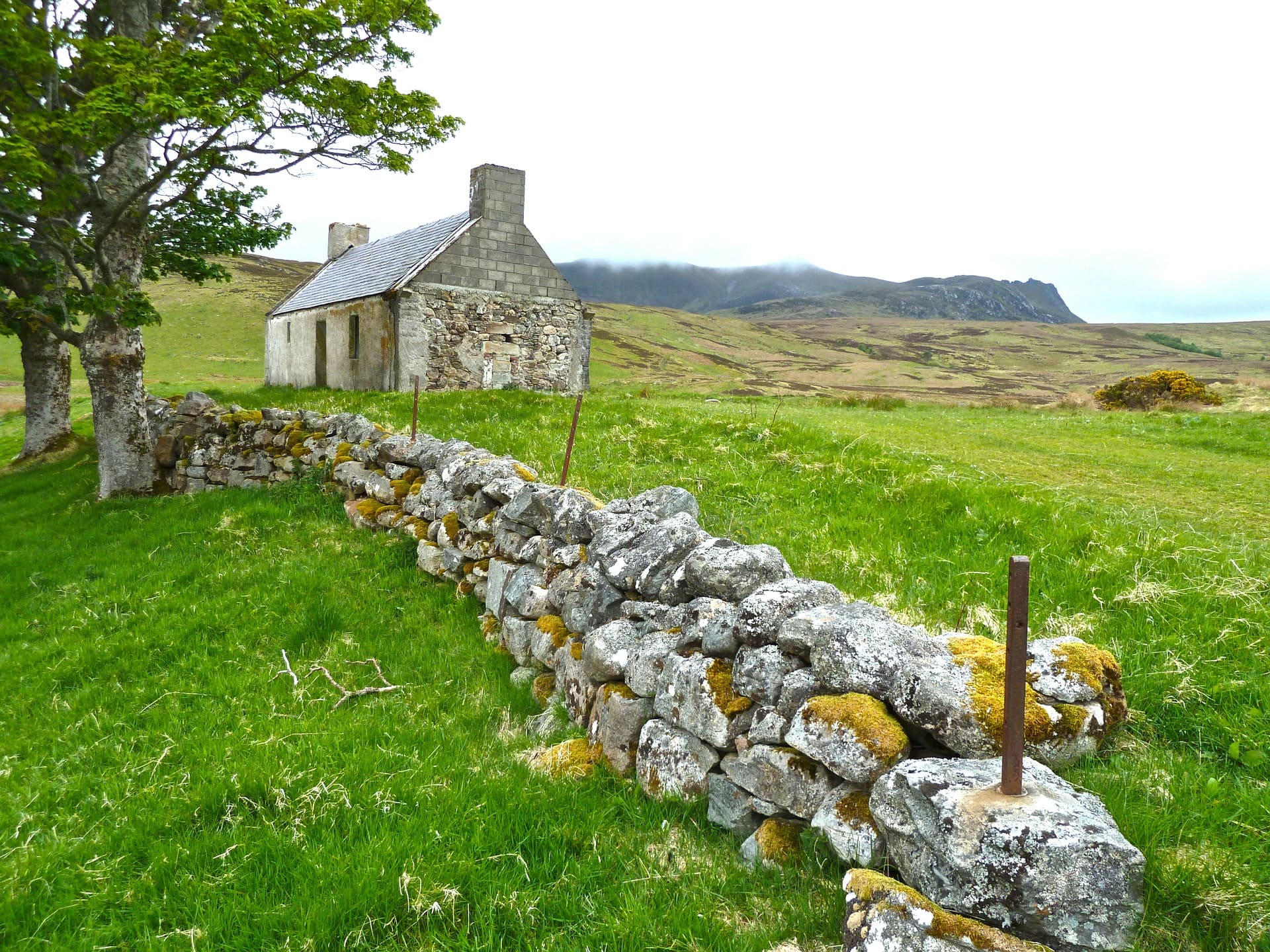
The lands around us are full of history, and a great deal of this history is embodied by the old buildings. The term “history” means not only epic battles to be told, armies, fortresses and monuments. There is a humbler history behind them, that is the simple and genuine history of the common folk, which still lives thanks to the walls of the houses that hosted people in the past. These simple examples of cultural heritage are too often left to rot by the roadsides and in the middle of our countryside, just because their redevelopment is considered economically inconvenient. In the meantime, those great monsters of iron and steel that we call bulldozers and cranes keep on binging on our green areas. Immense chasms open up and entire fields become new, clean pours of concrete on which new living hives, often of dubious taste, are built. Restoring and recovering old buildings has a double value and gain: in the first place we do not further disfigure the landscape stealing land from the Earth, and secondly, we keep our tradition alive. Redeveloping is better than breaking down and rebuilding. The voracity with which thousands of hectares of land disappear under the hunger for new buildings is frightening, especially in places and times in which buildings are not lacking and, indeed, they watch us as they yield under the weight of the owners’ carelessness.
Leggi di più

Seeing with our own eyes the “homes” of some people

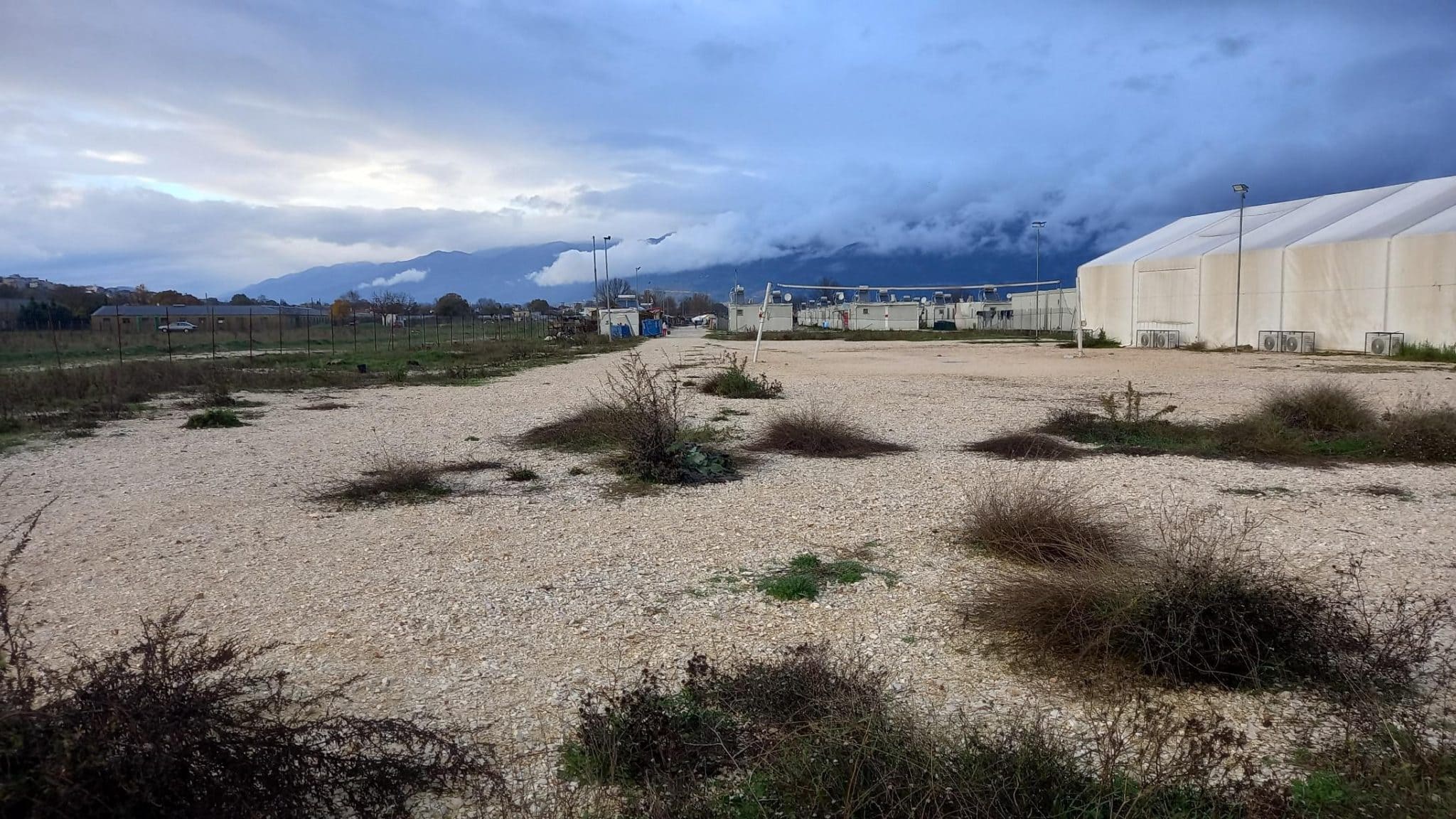
Last December we visited a refugee camp, one of those places that we hear from the daily news but it is hard to give them an identity: what is shown leads us to consider those places as anonymous. But those sites are called “home” by many people (even though it is hard to define them as such). Sure, associating the word “home” to such places is a paradox, their real home is different! We thought it before visiting the camp and now we believe it even more: seeing with our own eyes can surely contribute to shaping our ideas and thoughts. Unfortunately, we are constantly bombarded with definitions, names, numbers and information. We perceive a substitute for information that is passive and words like migrants, refugees or refugee camps slide down into our stomachs in between bites, just before the football championship news. Sure, we are convinced that it is neither easy nor possible for everyone to visit those sites to form a personal idea about the matter. But what we are sure about is that such experiences could at least serve as a deterrent in order not to launch completely unfounded reasoning or debates and to remind us that “refugee camp” are not two words, we are referring to people who, like us, open their eyes every morning and are looking for, if not happiness, at least that wellness from which we all should draw. Choosing to reject passivity is good both for us and for the others
Leggi di più

Can we really be inclusive?

We often talk about inclusion when it comes to matters like migrants and/or refugees, but…Are we actually inclusive? Saying and doing are two very different things, and also social issues like inclusion are difficult to be applied. Words play a fundamental role in the spreading of an idea, or a message, but they are not enough: concrete actions are needed to make real changes. Inclusion is important in every context, the most unimaginable, and even towards people we would never deal with. Including means mutually enriching, it implies letting those people who belong to a completely different social reality discover our everyday life; and in turn, we become guests of the everyday life of other people. The more we are different from each other, the more potential for mutual enrichment settles down. Including: adding new elements. Including does not take anything off anyone. Including is both giving and taking. It is the only way to approach our present society fairly. The rest is just fears dictated by non-knowledge. We need to approach what is new and different to break down the wall of fear. If we only approach matters and people reflecting us, there will not be any personal and social enrichment. It would be a continuous dead-end agreeing with ourselves.
Leggi di più